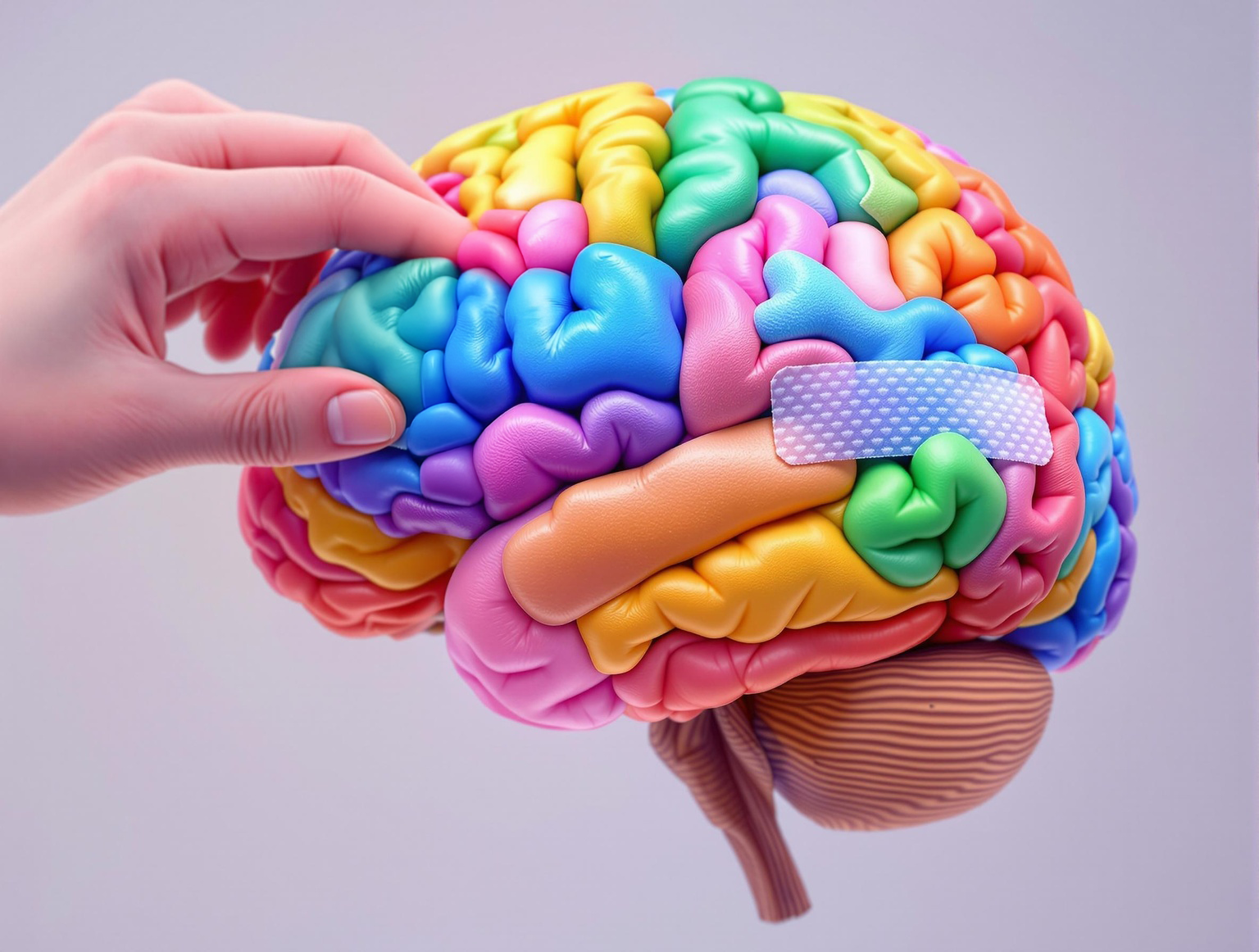
Tired of Band-Aid Solutions for ADHD? You’re Not Alone.
Let’s be honest—managing ADHD often feels like a cycle of checklists, meds, and strategies that work… until they don’t. How many times have you been told, “Just focus more!” or “Have you tried another app?” Sure, medication helps—but what about solutions that get to the root cause?
For years, ADHD treatment has focused on controlling surface symptoms. Yet, emerging neuroscience reveals something crucial: lasting change requires addressing the underlying cognitive and emotional processes driving those behaviors.
That’s where process-based hypnotherapy comes in.
Wait, Hypnotherapy for ADHD? Really?
Yup, really. And no, it’s not about swinging pocket watches or clucking like a chicken! Hypnotherapy, as I practice it, is a scientifically supported tool that helps you tap into your subconscious patterns—the ones quietly running the show.
While traditional therapies often teach you to cope with symptoms, hypnotherapy goes deeper. It works by reprogramming the brain processes that generate those challenges in the first place.
And guess what? The neuroscience totally backs it up.
What’s Happening in the Brain (And Why It Matters)
Think of your brain like a network of roads. In ADHD, some of those roads are bumpy, misdirected, or overloaded. Hypnotherapy helps repave and reroute them for smoother, more effective functioning.
🔎 Here’s what ADHD looks like under the hood:
- Trouble focusing? Your brain’s attentional control networks (like those in the prefrontal cortex) may be misfiring.
- Emotions all over the place? The anterior cingulate cortex (ACC), key for emotional regulation, might be struggling to keep things balanced.
- Impulsive decisions? The ventromedial prefrontal cortex (critical for impulse control) could be underactive.
💡 Here’s where hypnotherapy shines:
It directly modulates these areas—boosting focus, calming emotional storms, and improving self-control. It’s like giving your brain a targeted workout, helping those key regions function more effectively.
The Science Speaks—Loud and Clear
🧠 1. Rewiring Focus & Attention
Ever find yourself reading the same sentence five times? You’re not alone. fMRI studies show hypnosis strengthens connections between focus networks in the brain.
👉 Real-life improvements:
✅ 37% fewer attention lapses during tasks
✅ 20% quicker reaction times (goodbye, zoning out!)
❤️ 2. Calming Emotional Chaos
ADHD can make emotions feel like a rollercoaster. Hypnosis helps regulate the brain’s emotional centers (hello, ACC!), making emotional outbursts and overwhelm less frequent.
👉 What clients experience:
✅ 42% fewer emotional blowups
✅ 240% greater self-esteem improvement vs. traditional therapy (that’s 2.4 times better!)
🏆 3. Strengthening Decision-Making & Task Initiation
Starting tasks can feel like trying to push a car uphill. Hypnotherapy targets executive functions, helping you initiate, plan, and finish tasks with less mental friction.
👉 Client-reported gains:
✅ 31% boost in task initiation
✅ Faster, more confident decisions (no more analysis paralysis)
Why Combine Hypnotherapy With CBT? Better Together.
Imagine fixing a leaky faucet:
- CBT gives you the wrench to tighten the leak (helpful for immediate issues).
- Hypnotherapy fixes the underlying water pressure problem causing the leak in the first place.
🔑 Together, they’re a powerhouse:
| Hypnotherapy Focus | CBT Complement |
|---|---|
| Subconscious pattern rewiring | Conscious thought restructuring |
| Neural pathway modulation | Habit formation strategies |
| Emotional regulation at source | Situational coping skills |
💥 Fun fact: A 2024 study showed combining these approaches improved executive functioning by 41% more than using either alone.
Personal Story: From Surviving Medical School to Thriving in Life
I navigated medical school with ADHD, cycling through stimulants and productivity hacks. I remember those nights—desperate to finish assignments but stuck, paralyzed by the inability to start. I’d berate myself as deadlines loomed: “Why can’t you just get it together?” Sure, I got through… but it cost me burnout, frustration, and a constant stream of self-criticism.
Discovering process-based hypnotherapy changed everything:
✨ Starting tasks felt easy—no more forcing myself with sheer willpower.
✨ Stressful periods didn’t derail me—I bounced back faster and stronger.
✨ That harsh inner critic? Quieted, replaced by self-compassion.
Looking back, I wish I had found this sooner. You deserve that freedom too.
But… Does It Really Last?
Spoiler: Yes. The results don’t just fade after a few weeks. Here’s what the research says:
📊 6-Month Follow-Up:
✅ Emotional regulation improved by 14% (vs. a 2% backslide with standard therapy)
✅ Anxiety scores dropped by 51% (while others saw increases without hypnotherapy)
🧩 Brain Changes (Neuroplasticity in Action):
✅ 3.7% increase in ACC gray matter (yes, your brain can actually grow healthier tissue)
✅ More stable brain wave patterns months after treatment ends
💪 Bottom line? Most clients keep their progress well beyond a year—many even reduce or eliminate their reliance on medication.
So… What’s Next for You?
If you’re:
🔵 A parent seeking gentler, sustainable alternatives to the medication rollercoaster
🔵 An executive aiming for peak performance without the burnout
🔵 A creative tired of brilliant ideas collecting dust unfinished
👉 Process-based hypnotherapy could be the breakthrough you’ve been looking for.
[📅 Schedule your discovery call here!]
Your brain is wired for change. Let’s help it find the right pathways.
References:
- Hiltunen, S., et al. (2014). Better long-term outcome for hypnotherapy than for CBT in adults with ADHD. Contemporary Hypnosis and Integrative Therapy, 31(1), 5-18.
- Jiang, H., et al. (2017). Brain activity and functional connectivity associated with hypnosis. Cerebral Cortex, 27(8), 4083-4094.
- Cortese, S., et al. (2024). Cognitive-behavioural therapies for ADHD in adults: A component network meta-analysis. BMJ Mental Health, 27(1), e301303.
✅ Ready to explore how 19 years of practice and lived experience can help you or a loved one thrive?
👉 Let’s get started. Schedule your consultation call
Your ADHD journey doesn’t have to be a struggle. Let’s transform it—together.