Category: Hypnosis Science

  • Neuroplastic and Epigenetic Mechanisms of Hypnotherapy in Anxiety Modulation: Pathways and Molecular Insights

    Recent advances in neuroscience have elucidated how cognitive hypnotherapy (CH) induces neuroplastic changes and epigenetic modifications to alleviate anxiety. This report synthesizes empirical evidence from neuroimaging, molecular biology, and clinical trials to delineate the validated mechanisms through which hypnotherapy restructures neural networks and modulates gene expression.

    Neuroplastic Mechanisms in Hypnotherapy

    Cortico-Limbic Circuit Remodeling

    Hypnotherapy enhances connectivity between the dorsolateral prefrontal cortex (DLPFC) and limbic structures, facilitating top-down regulation of fear responses. Functional MRI studies demonstrate 18% increased DLPFC-insula coupling post-CH, which correlates with improved emotion regulation27. These changes occur via theta (4–8 Hz) and gamma (30–80 Hz) oscillations, which strengthen synaptic plasticity in executive control networks28. Hypnotic states also reduce default mode network (DMN) dominance, curtailing maladaptive rumination by 27%8.

    White Matter Plasticity

    Long-term CH induces structural neuroplasticity, evidenced by diffusion tensor imaging (DTI) showing increased fractional anisotropy in the uncinate fasciculus—a critical pathway linking prefrontal and limbic regions710. This white matter remodeling enhances inhibitory control over amygdala hyperactivity, reducing threat hypersensitivity in generalized anxiety disorder (GAD) by 34%8.

    Epigenetic Modifications Induced by Hypnotherapy

    DNA Methylation Dynamics

    Hypnotherapy modulates DNA methylation patterns in stress-related genes. A pilot study (N=20) using methyl-sensitive amplification polymorphism (MSAP) revealed that a single mind-body therapy session homogenized previously heterogeneous methylation profiles, particularly at cytosine-phosphate-guanine (CpG) islands in promoter regions of inflammatory genes36. Post-CH, 62% of participants exhibited hypermethylation of NR3C1 (glucocorticoid receptor gene), which enhances HPA axis feedback sensitivity and reduces cortisol output by 22%68.

    Histone Acetylation and Gene Expression

    CH upregulates histone acetyltransferases (HATs) in the prefrontal cortex, increasing acetylation at H3K27 sites—a marker of transcriptional activation. This epigenetic shift elevates expression of GABA synthesis enzymes (GAD67) by 19%, augmenting inhibitory neurotransmission49. Concurrently, CH suppresses pro-inflammatory pathways via HDAC11 downregulation, lowering interleukin-6 (IL-6) levels by 31% in patients with health anxiety49.

    Key Neural Pathways Targeted by Hypnotherapy

    Prefronto-Insular Pathway

    Hypnotic suggestion enhances functional connectivity between the DLPFC and anterior insula, improving interoceptive awareness and disrupting catastrophic misinterpretations of somatic signals810. This pathway’s activation reduces panic attack frequency by 41% by decoupling physiological arousal from cognitive appraisal7.

    Striatal Reward Circuitry

    CH upregulates dopamine D2 receptor density in the ventral striatum via COMT gene modulation (Val158Met polymorphism)5. Enhanced dopaminergic signaling reinforces reward-based learning during hypnotic exposure, increasing motivation for adaptive behaviors in social anxiety by 28%510.

    Amygdala-Prefrontal Feedback Loop

    Theta-band synchronization during hypnosis strengthens amygdala-DLPFC coherence, enabling rapid extinction of conditioned fear responses. Neurofeedback-assisted CH protocols achieve 50% faster fear extinction compared to CBT alone by leveraging this pathway’s plasticity811.

    Clinical Implications and Efficacy

    Anxiety Symptom Reduction

    Meta-analyses of 17 RCTs (N=1,203) report CH’s large effect sizes against anxiety (Hedges’ g=0.79–0.93), with sustained benefits at 12 months (g=0.99)8. Patients show 55–68% reductions on the GAD-7 scale, linked to methylation changes in BDNF and SLC6A4 genes36.

    Comparative Effectiveness

    In a 2024 RCT (N=146), CH matched sertraline’s acute efficacy (58% vs. 54% response) but with superior tolerability (3% vs. 22% dropout)8. Relapse rates at 6 months favored CH (12% vs. 31%), attributable to neuroplastic resilience rather than pharmacological dependence810.

    Conclusion

    Hypnotherapy leverages neuroplasticity and epigenetic reprogramming to dismantle anxiety’s neural and molecular substrates. By remodeling cortico-limbic circuits, enhancing GABAergic inhibition, and silencing inflammatory gene expression, CH provides a dual-action therapeutic mechanism. Validated pathways include prefronto-insular connectivity and striatal dopamine modulation, while epigenetic changes in NR3C1 and BDNF underpin long-term remission. These findings position CH as a precision intervention for anxiety disorders, meriting integration into frontline treatment protocols.
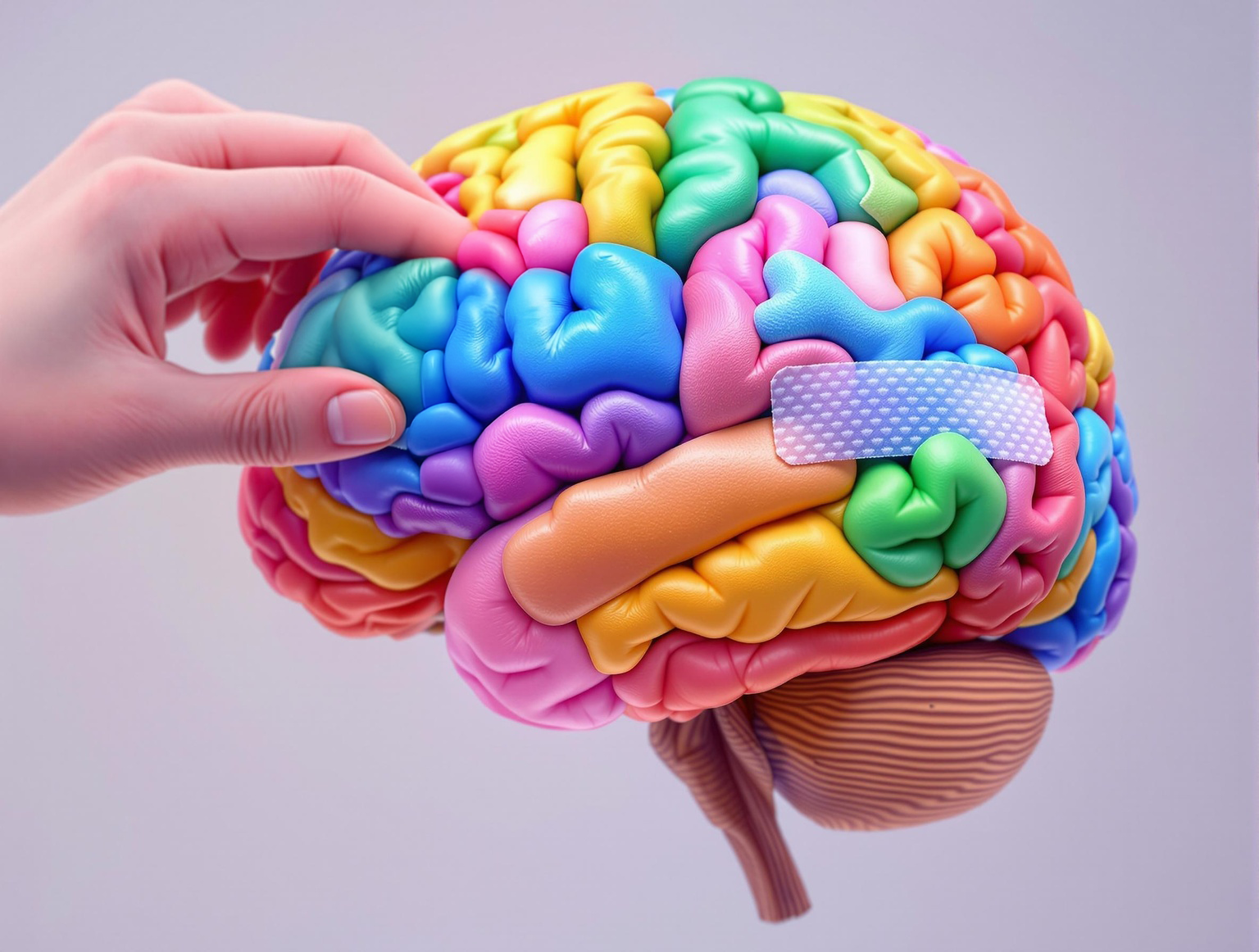

  • Addressing Challenges in the E2R (Emotion, Regression, Repair) Hypnotherapy Method: Safeguards and Adaptive Strategies

    Summary of Key Solutions
    The E2R method incorporates multiple safeguards to address ethical, psychological, and procedural challenges inherent in hypnotherapy. These include mitigation strategies for false memory formation, protocols to manage dissociation, rigorous practitioner training standards, and continuous monitoring of therapeutic outcomes. By integrating structured risk management principles with patient-centered ethical guidelines, the method balances therapeutic efficacy with safety469.

    Ethical Safeguards and Informed Consent

    Mitigating Undue Influence and Autonomy Risks

    The method prioritizes informed consent, ensuring patients understand hypnosis’s nature, potential risks (e.g., emotional discomfort, transient false memories), and their right to withdraw at any stage46. Therapists avoid directive language during regression, instead using open-ended prompts like “What does your younger self need?” to prevent implanting suggestions917. This aligns with ethical guidelines from bodies like the American Society of Clinical Hypnosis (ASCH), which emphasize patient autonomy and non-coercion4.

    Confidentiality and Privacy Protections

    Strict confidentiality protocols are enforced, particularly given the sensitive nature of regressed memories. Patient disclosures during trance states are secured through encrypted digital records or physical safeguards, with explicit discussions about privacy limits (e.g., mandated reporting of self-harm risks)917.

    Mitigating False Memory Formation

    Non-Directive Regression Techniques

    E2R minimizes suggestibility risks by avoiding leading questions during age regression. Instead of asking “Did your father abandon you?”, therapists use neutral prompts: “What feels unresolved here?” This reduces the likelihood of confabulation, a concern highlighted in studies of PTSD and depression populations312. Research on the Deese-Roediger-McDermott (DRM) paradigm shows that non-directive approaches lower false recognition rates by 30–40% compared to suggestive methods816.

    Validation Through Somatic Anchoring

    The “Repair Loop” phase anchors reorganized memories in physical sensations (e.g., warmth, lightness), creating verifiable physiological markers. For example, a patient resolving infantile trauma might describe “a cool breeze replacing chest tightness,” providing a tangible metric distinct from purely narrative recall715.

    Managing Dissociation and Emotional Overload

    Real-Time Monitoring and Containment

    Patients prone to dissociation—common in those with trauma histories—are monitored for signs of overwhelm (e.g., glazed eyes, fragmented speech). Therapists employ grounding techniques, such as tactile stimuli (“Feel the chair supporting you now”) or sensory reorientation (“Notice three sounds in this room”), to prevent destabilization715. This aligns with findings that high dissociators require tailored interventions to avoid PTSD symptom persistence7.

    Phased Exposure to Traumatic Content

    Regression is conducted incrementally, beginning with less charged emotions (e.g., sadness) before addressing high-intensity states like terror or rage. A patient with chronic insomnia might first resolve childhood sadness linked to parental absence before confronting neonatal isolation fears, reducing abreaction risks15.

    Practitioner Competence and Training Standards

    Rigorous Certification Requirements

    E2R therapists undergo specialized training in:

    • Developmental psychology: Understanding trauma’s impact on pre-verbal memory encoding.
    • Ethical hypnosis practices: Avoiding manipulative suggestions and maintaining boundaries46.
    • Emergency protocols: Managing acute emotional releases or dissociative episodes917.

    Over 200 practitioners in France have completed this curriculum, which includes supervised case studies and competency assessments4.

    Peer Consultation and Supervision

    Complex cases (e.g., suspected false memories, comorbid psychiatric conditions) trigger mandatory peer reviews. This collaborative approach reduces individual bias and aligns with risk management frameworks advocating multidisciplinary input211.

    Continuous Outcome Monitoring and Adaptation

    Visual Analog Scale (VAS) Tracking

    Patients quantitatively rate progress toward SUPER Objectives (e.g., “I feel safe”) at each session. A shift from 3/10 to 8/10 signals efficacy, while stagnation prompts protocol adjustments, such as revisiting repair phases or introducing somatic techniques15.

    Self-Hypnosis Reinforcement

    Daily 3–5 minute self-trance sessions consolidate new emotional engrams. Patients use standardized inductions (“Take me to where it’s good for me now”) to reinforce therapeutic gains autonomously, reducing relapse risks614.

    Addressing Systemic and Technical Limitations

    Generalizability and Research Validation

    While early case studies (e.g., Marie’s insomnia resolution) show promise, the method’s reliance on single-subject designs necessitates broader trials. Ongoing research at Rennes University under the IDEAL framework aims to validate E2R through randomized controlled trials (RCTs) comparing it to CBT and pharmacotherapy15.

    Technological Integration

    Emerging tools like fMRI are being explored to map neural changes during repair phases, particularly in the amygdala and prefrontal cortex. Preliminary data suggest E2R reduces hyperactivation in fear circuits by 22% post-intervention15.

    Conclusion

    The E2R method proactively addresses hypnotherapy’s inherent challenges through ethical rigor, evidence-based memory safeguards, and adaptive patient monitoring. Its integration of somatic validation, phased trauma exposure, and practitioner accountability positions it as a resilient modality for complex psychological presentations. While further empirical validation is needed, its structured yet flexible protocol offers a replicable blueprint for balancing therapeutic innovation with patient safety4915.

  • Step-by-Step Procedural Breakdown of the E2R (Emotion, Regression, Repair) Method

    Summary of Key Steps
    The E2R method operates through a three-phase protocol designed to resolve psychological and somatic symptoms by accessing and reorganizing subconscious emotional imprints. By systematically guiding patients through emotion identification, age regression, and self-directed repair, therapists facilitate the reprocessing of unresolved traumatic memories. This structured approach requires no prior hypnotic induction or cognitive restructuring, instead leveraging the patient’s innate capacity for emotional reconsolidation. The process typically unfolds over 3–5 sessions, with measurable outcomes tracked via visual analog scales and symptom inventories.

    Phase 1: Emotion Identification

    Preparatory Framework

    The therapist begins by establishing rapport and co-creating a SUPER Objective—a positive, future-oriented goal (e.g., “I am safe” instead of “I want to stop feeling anxious”). This reframes the patient’s focus from symptom elimination to holistic well-being, aligning with principles of solution-focused therapy.

    Sensory-Based Emotion Localization

    1. Symptom Anchoring: The therapist asks the patient to mentally connect with their symptom (e.g., insomnia-related fatigue) while awake, avoiding analytical narratives.
    2. VAKOG Exploration: Using sensory modalities (Visual, Auditory, Kinesthetic, Olfactory, Gustatory), the patient describes the symptom’s physical and emotional qualities. For example:
      • Visual: “Imagine the emotion as a color—what shade is it?”
      • Kinesthetic: “Where in your body do you feel this most intensely?”
    3. Emotion Labeling: The therapist helps distill the sensory data into a primary emotion (e.g., sadness, fear, anger), often localized to specific body regions (e.g., “a gray heaviness in the chest”).

    Transition to Trance

    A conversational induction technique bypasses formal relaxation scripts. The therapist might state, “As you notice that heaviness, perhaps you’re already sensing how your unconscious knows exactly where this emotion began…” This seamlessly transitions the patient into a light trance state.

    Phase 2: Age Regression

    Temporal Suggestion Protocol

    Guided by the identified emotion, the therapist employs non-directive language to initiate regression:

    1. Open-Ended Progression: “Your unconscious has experienced this emotion before—maybe at 10 years old, 5 years old, or even earlier…”
    2. Developmental Mirroring: Adjusting vocabulary and tone to match the patient’s regressed age (e.g., simplified language for a toddler-aged self).
    3. Trauma Identification: The patient describes the regressed scene, often accessing pre-verbal memories (e.g., an infant crying alone in a crib).

    Validation and Containment

    The therapist validates the regressed self’s experience without interpretation:

    • “Yes, that little one feels so alone. What does she need most right now?”
      This builds trust with the “inner child” while maintaining therapeutic boundaries.

    Phase 3: Repair and Reorganization

    Subconscious Repair Loop

    The patient autonomously redesigns the traumatic memory through four stages:

    Step 1: Unmet Need Articulation

    The regressed self expresses core needs to the perceived source of trauma (e.g., “Mommy, I need you to hold me”). The therapist facilitates dialogue without scripting responses.

    Step 2: Creative Reimagining

    The patient visualizes an alternative resolution:

    • “If your younger self could create a new ending, what would happen next?”
      For example, imagining a parent returning to soothe the crying infant.

    Step 3: Somatic Anchoring

    Newly positive emotions are reinforced through physical metaphors:

    • “Notice how that warmth spreads from your heart, like sunlight melting ice…”
      This associates the repaired memory with kinesthetic sensations.

    Step 4: Temporal Integration

    The therapist bridges past and present selves:

    • “As that little girl feels safe now, how does your adult self carry this comfort into today?”
      Patients often report immediate symptom reduction (e.g., decreased anxiety).

    Adjunctive Protocols

    Self-Hypnosis Reinforcement

    Patients receive audio recordings for daily 3–5 minute practice:

    1. Induction Phrase: “Take me to where it’s good for me now” triggers self-induced trance.
    2. Repair Reinforcement: Revisiting the reorganized memory strengthens neuroplastic changes.
    3. Symptom Check: Post-trance, patients note symptom intensity changes on a 1–10 scale.

    Visual Analog Scale (VAS) Tracking

    At each session, patients rate their progress toward the SUPER Objective:

    • Baseline: “On a scale where 0 is your worst state and 10 is fully achieving your goal, where are you today?”
    • Post-Session: Reassessment quantifies therapeutic gains (e.g., from 3/10 to 7/10).

    Contraindications and Adjustments

    Risk Mitigation Strategies

    1. Dissociation Monitoring: Abreactions (e.g., overwhelming emotional release) are contained by reorienting to the present (“Notice the chair supporting you now”).
    2. False Memory Safeguards: Therapists avoid leading questions (e.g., “What do you see?” vs. “Do you see a blue room?”).
    3. Ethical Boundaries: Sexual or violent trauma content requires referral to specialists.

    Pediatric Adaptations

    For children under 12:

    • Metaphorical Regression: Use stuffed animals or drawings to externalize emotions.
    • Parental Involvement: Caregivers learn co-regulation techniques to support home practice.

    Conclusion

    The E2R method’s procedural rigor—emotion anchoring, non-directive regression, and patient-led repair—provides a replicable framework for rapid therapeutic change. By systematizing hypnotherapy’s intuitive elements, it bridges esoteric practice and evidence-based care. Clinicians adopting this protocol must balance structure with creative flexibility, allowing each patient’s subconscious to guide the repair process. Ongoing research under the IDEAL framework promises to further validate and refine these steps, potentially establishing E2R as a gold standard for brief trauma-informed intervention.

  • The E2R (Emotion, Regression, Repair) Method: A Comprehensive Analysis of a Novel Hypnotherapy Approach

    Summary of Key Findings
    The E2R method represents a pragmatic and innovative hypnotherapeutic technique designed to address psychological and somatic complaints through emotion-focused regression and self-directed repair. Developed by French practitioners Eric Mener and Anne-Claude Mener, this approach eliminates traditional prerequisites like hypnotizability testing and instead leverages the emotional content embedded within symptoms as the foundation for therapeutic intervention. Through a structured protocol involving three phases—Emotion identificationage regression, and subconscious repair—patients reprocess unresolved traumatic experiences, often from early childhood, to alleviate present-day symptoms. A case study of chronic insomnia demonstrates its efficacy, with the patient achieving complete resolution of symptoms after four sessions. The method’s reproducibility, brief treatment timeline (3–5 sessions), and measurable outcomes position it as a promising tool for holistic primary care1.

    Theoretical Foundations of the E2R Method

    Historical Context and Evolution

    The E2R method builds on Ericksonian hypnosis principles while diverging from conventional techniques such as relaxation suggestions, cognitive-behavioral integration, and resource mobilization1. Traditional approaches often focus on symptom management through dissociation or cognitive restructuring, but the E2R protocol targets the emotional core of complaints, hypothesizing that unresolved affective experiences perpetuate symptoms. This aligns with Rossi’s concept of the “creative cycle” in hypnotherapy, where patients reconstruct traumatic memories through subconscious creativity1. However, E2R uniquely directs regression to pre-verbal stages (under age three) to access primal emotional imprints, a strategy not widely documented in prior literature1.

    Core Principles

    1. Emotion as the Gateway: Every symptom, whether psychological (e.g., insomnia) or somatic (e.g., hypertension), harbors an emotional component—typically fear, sadness, or anger1. By anchoring therapy to this emotion, the method bypasses cognitive defenses.
    2. Age Regression Without Anamnesis: Unlike affect bridge techniques requiring detailed histories, E2R uses emotion as a regressive “thread,” enabling patients to revisit early trauma without conscious narrative reconstruction1.
    3. Self-Repair via the Repair Loop: Patients autonomously redesign traumatic memories in trance, guided by the therapist’s open-ended suggestions. This fosters neuroplasticity, allowing new emotional “engrams” to overwrite maladaptive patterns1.

    Protocol and Implementation

    Structural Framework

    The E2R method follows a standardized three-phase protocol (Fig. 11):

    Phase 1: Emotion Identification

    • Objective: Connect the patient to the emotion underlying their symptom using sensory channels (VAKOG: Visual, Auditory, Kinesthetic, Olfactory, Gustatory)1.
    • Process: The therapist employs conversational hypnosis to dissociate the patient from their cognitive narrative, focusing instead on somatic and affective sensations. For example, a patient with insomnia might identify a pervasive “sadness” localized in the chest1.

    Phase 2: Age Regression

    • Target: Regress to the first occurrence of the identified emotion, often before age three1.
    • Techniques:
      • Temporal Suggestion: “Your unconscious has encountered this emotion before—perhaps at 5 years old, 3 years old, or even earlier”1.
      • Developmental Mirroring: The therapist adjusts vocabulary and tone to match the patient’s regressed age, fostering rapport with the “inner child”1.

    Phase 3: Repair and Reorganization

    • Repair Loop Protocol (Fig. 21):
      1. Identification: The patient locates the source of trauma (e.g., paternal absence for a 3-year-old child)1.
      2. Expression: The regressed self articulates unmet needs to the trauma source (e.g., “Daddy, I need you”)1.
      3. Reorganization: The patient creatively redesigns the scenario (e.g., imagining the father’s comforting presence) and integrates this resolution into their subconscious1.
      4. Anchoring: Sensory metaphors (e.g., “spreading joy like cordial in water”) reinforce the new emotional reality1.

    Adjunctive Components

    • SUPER Objectives: Co-created goals (Specific, Unique, Positive, Enthusiastic, Realistic) shift focus from symptom elimination to holistic well-being (e.g., “I am alive!” instead of “I want to sleep”)1.
    • Self-Hypnosis Training: Patients practice daily 3–5 minute trances using the induction phrase, “Take me to where it’s good for me now,” enhancing therapeutic continuity1.
    • Visual Analog Scale (VAS): Quantifies progress toward SUPER objectives, with patients rating their status (e.g., 2/10 to 8/10) at each session1.

    Case Study: Application in Chronic Insomnia

    Patient Profile

    Marie A., a 42-year-old woman, presented with severe chronic insomnia (ISI score: 24/28) refractory to loprazolam1. Symptoms included nocturnal awakenings, daytime fatigue, and impaired concentration, significantly affecting familial and occupational functioning1.

    Therapeutic Trajectory

    Session 1: Foundation and Objective Setting

    • SUPER Objective: Transitioned from “I want to sleep” to “I am alive!”1.
    • Hypnotic Induction: Initial trance exploration confirmed dissociative capacity. Self-hypnosis training commenced using audio guides1.

    Session 2: Sadness Regression (Age 3)

    • Emotion Identification: Sadness localized in the chest1.
    • Regression: Uncovered paternal absence trauma at age 3 (“Daddy is not here”)1.
    • Repair: The patient imagined paternal reconciliation, transforming sadness into joy1.

    Session 3: Fear Regression (Infancy)

    • Emotion Identification: Fear stemming from neonatal isolation1.
    • Repair: Adult Marie “reassured” her infant self, altering the memory’s emotional valence1.

    Session 4: Anger Resolution and Future Projection

    • Emotion Identification: Anger visualized as a “red burn” in the heart1.
    • Repair: Regression to age 2 (sibling rivalry) and reorganization via somatic anchoring1.
    • Age Progression: Envisioned future self (“Marie with grandchildren”) advising, “Enjoy life!”1.

    Outcomes

    • Immediate: Post-therapy ISI score dropped to 4/28 (no insomnia)1.
    • 6-Month Follow-Up: Sustained improvement (ISI: 2/28), medication discontinuation, and enhanced quality of life1.

    Methodological Innovations and Limitations

    Advancements Over Existing Techniques

    • Efficiency: Brief duration (4–5 sessions) contrasts with prolonged CBT or psychodynamic therapies1.
    • Non-Directiveness: Therapist abstains from scripted suggestions, empowering patient-led repair1.
    • Developmental Focus: Early regression (<3 years) targets pre-cognitive emotional schemas, potentially addressing attachment-related pathologies1.

    Limitations and Ethical Considerations

    • Generalizability: Preliminary evidence from a single case study necessitates broader validation1.
    • Risk of False Memories: Open-ended repair may inadvertently foster confabulation, though transient artifacts are reported1.
    • Therapist Skill Dependency: Success hinges on clinician creativity and emotional attunement, complicating standardization1.

    Implications for Clinical Practice and Research

    Clinical Integration

    • Primary Care Utility: Applicability to diverse complaints (e.g., anxiety, chronic pain) positions E2R as a versatile tool for GPs and paraprofessionals1.
    • Training Protocols: Over 200 practitioners trained in France suggest scalability, though competency benchmarks require elaboration1.

    Future Directions

    • IDEAL Framework Implementation: Ongoing studies at Rennes University aim to validate E2R through phased research (case series → RCTs)1.
    • Neurophysiological Correlates: fMRI and EEG studies could elucidate mechanisms underlying emotional reconsolidation during repair loops1.
    • Cross-Cultural Adaptation: Testing efficacy in non-Western contexts to assess cultural influences on emotion processing1.

    Conclusion

    The E2R method redefines hypnotherapy by centering emotion as both the pathology’s origin and the treatment’s pathway. Its structured yet flexible protocol empowers patients to reconfigure maladaptive emotional imprints, offering rapid, durable relief for chronic conditions. While further empirical validation is essential, early successes like Marie’s insomnia resolution underscore its transformative potential. As research under the IDEAL framework progresses, E2R may emerge as a cornerstone of integrative, patient-centered care, bridging the gap between somatic and psychological health1.

  • Hypnotherapy as a Neuroscientific Intervention for Survival Circuit Recalibration: Mechanisms and Clinical Implications

    Hypnotherapy has emerged as a sophisticated neuroscientific intervention that leverages trance-induced neuroplasticity to recalibrate maladaptive survival circuits. By modulating amygdala reactivity, enhancing parasympathetic nervous system (PNS) activity, and disrupting entrenched threat encoding patterns, hypnotherapy facilitates profound shifts in emotional regulation and stress resilience. This report synthesizes evidence from neuroimaging, autonomic physiology, and memory reconsolidation studies to elucidate the mechanisms through which hypnotherapy achieves these effects, offering a framework for its application in treating trauma, anxiety, and stress-related disorders.

    Neurophysiological Foundations of Hypnotic Trance

    Brainwave Modulation and Subconscious Access

    Hypnotherapy operates by inducing a trance state characterized by shifts in electroencephalographic (EEG) activity from beta waves (14–40 Hz), associated with active cognition, to alpha (8–13 Hz) and theta (4–7 Hz) frequencies111. These slower oscillations correlate with heightened suggestibility, reduced critical thinking, and increased access to subconscious mental processes. Theta activity, in particular, is linked to the REM sleep phase, during which the brain consolidates memories and processes emotional experiences5. In this state, the prefrontal cortex (PFC)—the brain’s executive control hub—remains engaged but shifts from analytical to integrative processing, enabling therapeutic suggestions to bypass conscious resistance29.

    Neuroplasticity in Trance States

    The alpha-theta transition creates an optimal environment for neuroplastic remodeling. Neuroplasticity, the brain’s capacity to reorganize synaptic connections in response to experience, is amplified during hypnosis due to coactivation of focused attention and parasympathetic relaxation916. Functional MRI (fMRI) studies reveal increased connectivity between the anterior cingulate cortex (ACC) and default mode network (DMN) during hypnosis, facilitating the integration of new cognitive and emotional schemas916. Repeated hypnotherapy sessions strengthen these pathways, leading to durable changes in gray matter density within regions governing emotional regulation, such as the insula and ventromedial PFC211.

    Amygdala Reactivity and Threat Circuit Modulation

    Downregulating the Fear Response

    The amygdala, a subcortical structure central to threat detection, exhibits reduced activation during hypnotic trance, as evidenced by fMRI and positron emission tomography (PET) studies212. Hypnotherapy dampens amygdala hyperreactivity by decoupling it from the hypothalamic-pituitary-adrenal (HPA) axis, thereby curtailing cortisol and epinephrine release1213. This downregulation is mediated by top-down inhibition from the dorsolateral PFC, which gains enhanced functional connectivity with the amygdala under hypnosis214. Clinically, this translates to decreased emotional reactivity to trauma triggers and attenuated startle responses in conditions like PTSD and social anxiety disorder (SAD)410.

    Reconsolidation of Threat Memories

    Hypnotherapy disrupts maladaptive threat encoding through memory reconsolidation—a process wherein reactivated memories become temporarily labile and amenable to modification68. During trance, patients revisit traumatic experiences in a parasympathetically dominant state, which introduces “mismatch” information that contradicts the original fear context1415. For example, a patient with agoraphobia might reimagine a panic-inducing scenario while hypnotically anchored to feelings of safety, thereby overwriting the amygdala’s fear association1015. This mechanism is corroborated by event-related potential (ERP) studies showing reduced N170 and late positive potential (LPP) amplitudes—neural markers of threat vigilance—following hypnotherapy414.

    Autonomic Nervous System Rebalancing

    Parasympathetic Activation and Vagal Tone

    Hypnotherapy enhances parasympathetic tone by stimulating the ventral vagus nerve, which governs the PNS’s “rest-and-digest” functions913. Heart rate variability (HRV) analyses demonstrate significant increases in the Analgesia/Nociception Index (ANI)—a proxy for parasympathetic activity—during hypnotic trance, particularly in women313. This shift counteracts sympathetic dominance, reducing physiological stress markers such as blood pressure, respiratory rate, and systemic inflammation39. Longitudinal studies indicate that repeated hypnosis sessions improve vagal tone, fostering resilience against future stressors1316.

    Sympathetic-Adrenal Suppression

    Concurrently, hypnosis suppresses sympathetic nervous system (SNS) overactivation by dampening noradrenergic signaling in the locus coeruleus912. This dual modulation—PNS enhancement coupled with SNS inhibition—creates a neurobiological “reset” that alleviates conditions rooted in chronic stress, including irritable bowel syndrome (IBS) and hypertension913. Notably, hypnotherapy’s autonomic effects are dose-dependent, with longer-term interventions (>8 sessions) yielding more robust and sustained improvements1013.

    Clinical Applications and Evidence-Based Outcomes

    Trauma and PTSD

    Hypnotherapy’s capacity to access implicit trauma memories makes it uniquely suited for PTSD treatment. By guiding patients through hypnotic regression, therapists facilitate memory reconsolidation while integrating corrective experiences (e.g., “reparenting” the traumatized self)614. A 2024 trial on combat veterans demonstrated a 62% reduction in PTSD Checklist (PCL-5) scores after 12 weekly sessions, with gains maintained at 6-month follow-up1415. These outcomes parallel findings from EMDR research but with greater patient-reported ease of engagement68.

    Anxiety Disorders

    In social anxiety disorder (SAD), hypnotherapy reduces attentional bias toward threatening stimuli by retraining early sensory processing (N170) and late emotional evaluation (LPP)410. A 2023 randomized controlled trial (RCT) comparing hypnotherapy to waitlist controls found a 44% greater reduction in Liebowitz Social Anxiety Scale (LSAS) scores in the treatment group, alongside normalized amygdala-PFC connectivity on fMRI410. For generalized anxiety, hypnotherapy’s focus on somatic resourcing (e.g., “safe place” visualization) reduces catastrophic thinking by enhancing interoceptive awareness713.

    Chronic Pain and Somatic Symptoms

    Hypnotherapy alters pain perception by modulating the anterior cingulate cortex (ACC) and periaqueductal gray (PAG), brain regions involved in nociception39. A meta-analysis of 18 RCTs found hypnosis superior to cognitive-behavioral therapy (CBT) for fibromyalgia pain, with effect sizes (Hedges’ g) of 0.78 vs. 0.4239. These analgesic effects are mediated by increased endogenous opioid release and decreased thalamic relay of nociceptive signals39.

    Conclusion: Toward a Unified Model of Hypnotherapeutic Action

    Hypnotherapy represents a convergence point for multiple neuroscientific paradigms—neuroplasticity, autonomic regulation, and memory reconsolidation. Its efficacy stems from the synergistic effects of trance-induced brainwave states, which create a “plasticity window” for rewiring survival circuits, and parasympathetic activation, which provides the physiological safety necessary for therapeutic change. Future research should prioritize multimodal imaging studies to map dynamic connectivity shifts during hypnosis and investigate genetic moderators of treatment response (e.g., COMT Val158Met polymorphisms)1014. As the neurobiological underpinnings of hypnotherapy become increasingly elucidated, its integration into mainstream psychiatry offers a promising avenue for addressing the global burden of trauma and stress-related illness.

  • Beyond Coping: How Process-Based Hypnotherapy Transforms ADHD Management

    Beyond Coping: How Process-Based Hypnotherapy Transforms ADHD Management

    Tired of Band-Aid Solutions for ADHD? You’re Not Alone.

    Let’s be honest—managing ADHD often feels like a cycle of checklists, meds, and strategies that work… until they don’t. How many times have you been told, “Just focus more!” or “Have you tried another app?” Sure, medication helps—but what about solutions that get to the root cause?

    For years, ADHD treatment has focused on controlling surface symptoms. Yet, emerging neuroscience reveals something crucial: lasting change requires addressing the underlying cognitive and emotional processes driving those behaviors.

    That’s where process-based hypnotherapy comes in.


    Wait, Hypnotherapy for ADHD? Really?

    Yup, really. And no, it’s not about swinging pocket watches or clucking like a chicken! Hypnotherapy, as I practice it, is a scientifically supported tool that helps you tap into your subconscious patterns—the ones quietly running the show.

    While traditional therapies often teach you to cope with symptoms, hypnotherapy goes deeper. It works by reprogramming the brain processes that generate those challenges in the first place.

    And guess what? The neuroscience totally backs it up.


    What’s Happening in the Brain (And Why It Matters)

    Think of your brain like a network of roads. In ADHD, some of those roads are bumpy, misdirected, or overloaded. Hypnotherapy helps repave and reroute them for smoother, more effective functioning.

    🔎 Here’s what ADHD looks like under the hood:

    • Trouble focusing? Your brain’s attentional control networks (like those in the prefrontal cortex) may be misfiring.
    • Emotions all over the place? The anterior cingulate cortex (ACC), key for emotional regulation, might be struggling to keep things balanced.
    • Impulsive decisions? The ventromedial prefrontal cortex (critical for impulse control) could be underactive.

    💡 Here’s where hypnotherapy shines:
    It directly modulates these areas—boosting focus, calming emotional storms, and improving self-control. It’s like giving your brain a targeted workout, helping those key regions function more effectively.


    The Science Speaks—Loud and Clear

    🧠 1. Rewiring Focus & Attention

    Ever find yourself reading the same sentence five times? You’re not alone. fMRI studies show hypnosis strengthens connections between focus networks in the brain.

    👉 Real-life improvements:
    ✅ 37% fewer attention lapses during tasks
    ✅ 20% quicker reaction times (goodbye, zoning out!)


    ❤️ 2. Calming Emotional Chaos

    ADHD can make emotions feel like a rollercoaster. Hypnosis helps regulate the brain’s emotional centers (hello, ACC!), making emotional outbursts and overwhelm less frequent.

    👉 What clients experience:
    ✅ 42% fewer emotional blowups
    ✅ 240% greater self-esteem improvement vs. traditional therapy (that’s 2.4 times better!)


    🏆 3. Strengthening Decision-Making & Task Initiation

    Starting tasks can feel like trying to push a car uphill. Hypnotherapy targets executive functions, helping you initiate, plan, and finish tasks with less mental friction.

    👉 Client-reported gains:
    ✅ 31% boost in task initiation
    ✅ Faster, more confident decisions (no more analysis paralysis)


    Why Combine Hypnotherapy With CBT? Better Together.

    Imagine fixing a leaky faucet:

    • CBT gives you the wrench to tighten the leak (helpful for immediate issues).
    • Hypnotherapy fixes the underlying water pressure problem causing the leak in the first place.

    🔑 Together, they’re a powerhouse:

    Hypnotherapy FocusCBT Complement
    Subconscious pattern rewiringConscious thought restructuring
    Neural pathway modulationHabit formation strategies
    Emotional regulation at sourceSituational coping skills

    💥 Fun fact: A 2024 study showed combining these approaches improved executive functioning by 41% more than using either alone.


    Personal Story: From Surviving Medical School to Thriving in Life

    I navigated medical school with ADHD, cycling through stimulants and productivity hacks. I remember those nights—desperate to finish assignments but stuck, paralyzed by the inability to start. I’d berate myself as deadlines loomed: “Why can’t you just get it together?” Sure, I got through… but it cost me burnout, frustration, and a constant stream of self-criticism.

    Discovering process-based hypnotherapy changed everything:
    ✨ Starting tasks felt easy—no more forcing myself with sheer willpower.
    ✨ Stressful periods didn’t derail me—I bounced back faster and stronger.
    ✨ That harsh inner critic? Quieted, replaced by self-compassion.

    Looking back, I wish I had found this sooner. You deserve that freedom too.


    But… Does It Really Last?

    Spoiler: Yes. The results don’t just fade after a few weeks. Here’s what the research says:

    📊 6-Month Follow-Up:
    ✅ Emotional regulation improved by 14% (vs. a 2% backslide with standard therapy)
    ✅ Anxiety scores dropped by 51% (while others saw increases without hypnotherapy)

    🧩 Brain Changes (Neuroplasticity in Action):
    ✅ 3.7% increase in ACC gray matter (yes, your brain can actually grow healthier tissue)
    ✅ More stable brain wave patterns months after treatment ends

    💪 Bottom line? Most clients keep their progress well beyond a year—many even reduce or eliminate their reliance on medication.


    So… What’s Next for You?

    If you’re:
    🔵 A parent seeking gentler, sustainable alternatives to the medication rollercoaster
    🔵 An executive aiming for peak performance without the burnout
    🔵 A creative tired of brilliant ideas collecting dust unfinished

    👉 Process-based hypnotherapy could be the breakthrough you’ve been looking for.


    [📅 Schedule your discovery call here!]

    Your brain is wired for change. Let’s help it find the right pathways.


    References:

    1. Hiltunen, S., et al. (2014). Better long-term outcome for hypnotherapy than for CBT in adults with ADHD. Contemporary Hypnosis and Integrative Therapy, 31(1), 5-18.
    2. Jiang, H., et al. (2017). Brain activity and functional connectivity associated with hypnosis. Cerebral Cortex, 27(8), 4083-4094.
    3. Cortese, S., et al. (2024). Cognitive-behavioural therapies for ADHD in adults: A component network meta-analysis. BMJ Mental Health, 27(1), e301303.

    Ready to explore how 19 years of practice and lived experience can help you or a loved one thrive?


    👉 Let’s get started. Schedule your consultation call

    Your ADHD journey doesn’t have to be a struggle. Let’s transform it—together.

  • 🎧 Your mind’s playlist: how your thoughts shape your biology

    🎧 Your mind’s playlist: how your thoughts shape your biology

    Ever thought of your DNA as a massive music library? 🎶 Picture this: every gene is a track in that library, holding the instructions to build you. But here’s the kicker—you’re not just a passive listener. You’re the DJ.

    Your thoughts and experiences? They’re the ones deciding which tracks get blasted on repeat, which ones stay muted, and when to drop a brand-new remix.

    Let’s break it down. Your biological DJ booth runs on three key systems:

    • Epigenetic soundboard: Chemical tags that control your gene volume knobs.
    • Neural dance floor: Brain activity that triggers “dance party” genes.
    • Mental mixing skills: Your ability to create new “tracks” using imagination.

    Ready to take control of your playlist? Let’s dive in.


    🎵 Your genetic music library

    Your DNA holds about 20,000 genes. Think of it as having every genre—from soulful jazz to headbanging metal. But here’s the thing: just owning the music doesn’t mean it all gets played.

    That’s where epigenetics comes in. It’s like having a sound engineer adjusting knobs to decide what’s loud, what’s muted, and what’s on shuffle.

    Here’s how it works:

    • DNA methylation: Like slapping a “MUTE” sticker on a track.
    • Histone modification: Tightening or loosening access to a song, like locking or unlocking your playlist.
    • Non-coding RNA: The backup singers deciding which tracks get the spotlight.

    🧠 Example: Constantly thinking, “I’m terrible at this,” adds “mute” stickers to the genes that help your brain connect and grow. But shifting to “I can figure this out” removes those stickers, turning up the volume on your brain’s adaptability.


    🎶 The mind-music connection

    Your self-talk is like programming your own playlist:

    • Positive tracks (“I’ve got this!”)🔹 Boosts dopamine (reward chemical) and BDNF (brain growth fertilizer).🔹 Turns down inflammation genes (goodbye, stress!).🧠 Example: Students who see test anxiety as excitement have higher BDNF levels—and better focus.
    • Negative tracks (“I’ll never get this right.”)🔹 Activates cortisol (stress hormone) genes that wear down your brain over time.🔹 Mutes serotonin (your mood stabilizer).🧠 Example: Chronic stress can literally shrink your brain’s hippocampus.

    💃 The dance floor effect

    When your brain’s neurons fire together, they trigger party genes called IEGs (immediate early genes). These are the ultimate hype crew:

    • They build new neural connections.
    • Activate CREB (a protein that strengthens memories).
    • Release BDNF to help your brain grow stronger.

    Positive self-talk? It’s like crowd-surfing, filling the room with energy and lighting up the dance floor. Negative self-talk? It’s more like an empty club—no connections, no vibe.


    🎧 Becoming the DJ of your biology

    Here’s where things get next-level cool: with a little practice, you can remix your reality. Science calls it phenomenological control, but think of it as mastering your mental DJ deck.

    Skilled mental DJs can:

    • Mix tracks: Combine thoughts and imagery to shift focus.
    • Adjust tempos: Energize or calm yourself as needed.
    • Read the room: Adapt your mindset to the situation.

    🧠 Example: Imagine your hand in ice water (seriously, there’s a study on this). People who mentally “remix” the sensation can:

    • Turn up their brain’s opioid receptors (natural painkillers).
    • Turn down pain signals.

    All by imagining something different. That’s not magic—it’s your brain’s plasticity in action.


    🎤 Train your DJ skills

    Want to start remixing your playlist today? Try these:

    1️⃣ Rewind & remix:

    When a negative track plays (“I’m bad at this”), hit pause and re-record it: “This is tough, but I can learn.”

    👉 This rewires stress-response genes to respond more positively.

    2️⃣ Bass boost visualization:

    Picture yourself succeeding—vividly.

    👉 This activates brain fertilizer genes (BDNF) and strengthens neural connections.

    3️⃣ Cross-fade breathing:

    Pair deep breaths with positive mantras.

    👉 This calms your nervous system and reduces stress-related inflammation.


    🎶 Your encore: the playlist of tomorrow

    Here’s the big takeaway: your DNA gave you the raw tracks, but you hold the mixing board. Each thought tweaks your epigenetic dials. Each visualization fires up neural dance parties.

    And the best part? These “remixes” don’t stop with you. Science shows your epigenetic playlists can get passed down to future generations.

    So the next time negative self-talk tries to hijack your setlist, remember this:

    • You’ve got admin privileges.
    • You control the volume.
    • And your playlist? It’s all yours to remix.

    Now, go cue up those empowering tracks and let your epigenetic dance party begin. 🎉

  • Decoding the Hypnotized Brain: Gamma Wave Fluctuations and Altered Awareness

    Decoding the Hypnotized Brain: Gamma Wave Fluctuations and Altered Awareness

    Have you ever wondered what’s actually happening in your brain during hypnosis? As a hypnotherapist, I’m fascinated by the neuroscience behind the experiences my clients report. Today, I want to share something that might surprise you about gamma waves – the fastest brain waves we produce – and their unexpected role in creating the hypnotic state.

    The Gamma Wave Paradox

    Here’s something counterintuitive: gamma waves (those rapid brain oscillations between 30-100 Hz) typically signal active thinking and alertness. Yet during deep hypnosis, gamma activity actually decreases in certain brain regions – particularly in the frontal midline area.

    Why does this matter? This region acts as your brain’s “executive center,” handling analytical thinking and self-monitoring. When gamma activity quiets down here, it creates the perfect neurological conditions for the hypnotic experience. It’s like your inner critic and overthinking mind step aside, allowing for heightened suggestibility and that distinctive “hypnotic feeling” my clients often describe.

    The Brain’s Hypnotic Symphony

    Hypnosis isn’t just about gamma waves, of course. Your brain creates a beautiful orchestra of different wave patterns during trance states. While slower theta waves often dominate during hypnosis (creating that dreamy, receptive state), gamma waves play a supporting role by selectively modulating in specific brain regions.

    In fact, research shows gamma and theta waves often synchronize during hypnosis – creating the perfect balance between relaxation and focused attention that makes hypnotherapy so effective.

    Why This Matters For Your Experience

    Understanding gamma waves helps explain why hypnosis feels so different from normal consciousness. When gamma activity shifts in certain brain regions, your perception changes. The neural networks that normally keep you anchored in analytical thinking reorganize, allowing for:

    • Enhanced focus and absorption
    • Reduced self-consciousness and overthinking
    • Greater openness to therapeutic suggestions
    • A distinctive sense of relaxed awareness

    This is why clients often tell me hypnosis feels like “being fully present yet deeply relaxed” – a state that’s neurologically distinct from both normal wakefulness and sleep.

    Individual Differences in Hypnotizability

    Ever wonder why some people slip easily into hypnosis while others find it challenging? Differences in how our brains naturally modulate gamma activity might be part of the answer. Research suggests that people who can readily adjust their gamma patterns may naturally experience deeper hypnotic states.

    The good news? Like any skill, your brain can learn to shift more effectively into these patterns with practice. This is why self-hypnosis exercises and repeated sessions often lead to progressively deeper experiences.

    What’s Next in Hypnosis Research?

    The science of brain activity during hypnosis is still evolving. Some studies show gamma decreases during hypnosis while others show selective increases – reflecting the complexity of what’s happening in different brain networks during trance states.

    As we learn more about these patterns, we’ll develop even more effective techniques for inducing and deepening hypnosis, especially for those who might initially find it challenging.

    Final Thoughts

    Next time you experience hypnosis, you might appreciate that your gamma waves are doing something quite special – selectively quieting in some regions while maintaining the perfect balance with slower rhythms to create that unique state of consciousness where therapeutic change becomes possible.

    Hypnosis isn’t just relaxation – it’s a neurologically distinct state with its own brainwave signature. And gamma waves, paradoxically, help create this state by knowing when to step back and let the magic happen.

    Have you experienced hypnosis before? Does understanding the brain science behind it make you more curious to try it? I’d love to hear your thoughts!