Category: Hypnosis Science

  • Rewiring Your Creative Mind: How Hypnotherapy Creates Lasting Change for the Visionary Trapped in Limitations

    Rewiring Your Creative Mind: How Hypnotherapy Creates Lasting Change for the Visionary Trapped in Limitations

    Breaking Free From Your Mind’s Hidden Rulebook

    You know that feeling when your creative vision is crystal clear, but something keeps holding you back?

    That brilliant design concept you can’t seem to start. The career pivot you’ve planned for years but haven’t made. The authentic voice you know is inside you, buried beneath layers of “shoulds” and “can’ts.”

    What if I told you this isn’t about motivation or discipline, but about invisible rules your brain follows without your permission?

    As a cognitive neuroscientist and hypnotherapist, I’ve spent years helping visionary creatives break free from these hidden mental barriers. Today, I want to share what’s actually happening in your brain when you feel stuck—and how hypnotherapy creates change in ways traditional approaches simply can’t.

    The Invisible Architecture of Your Thinking

    Imagine you’re working in graphic design software you’ve used for years. You know the shortcuts, the workflows, the tricks—they’re automatic. You don’t think about them; your fingers just know what to do.

    Now imagine trying to unlearn those patterns. Tough, right?

    Your mind works the same way. Through years of experience, it has built automatic patterns for everything from how you respond to criticism to how you approach creative challenges. These patterns operate below your awareness, like code running in the background of your mental computer.

    As Dr. Mani Saint-Victor explains in his research: “These aren’t just thoughts—they’re neurological pathways that determine what feels possible versus impossible, safe versus dangerous.”

    Why “Just Think Differently” Doesn’t Work

    Have you tried positive thinking, affirmations, or just “pushing through” creative blocks? How did that work out?

    Here’s why these approaches often fail: They target your conscious mind (the user interface), not your unconscious processes (the operating system).

    It’s like trying to fix a computer bug by typing really nicely into the word processor. Wrong level of intervention!

    The Science of Lasting Mental Change

    Two powerful scientific frameworks explain how hypnotherapy creates change where other methods fail:

    The Simulation-Adaptation Theory(SATH)

    Your brain is constantly making predictions about what’s happening and what will happen next. When you’ve had negative experiences around creative risk-taking or self-expression in the past, your brain predicts similar outcomes in the future.

    For example, if showcasing your work led to harsh criticism in design school, your brain might automatically predict “danger” whenever you consider sharing new ideas—triggering anxiety or procrastination to protect you.

    Hypnotherapy allows your brain to simulate new experiences so vividly that it begins updating these predictions. When your brain experiences a scenario where sharing work leads to connection and opportunity instead of rejection, it starts predicting different outcomes in real life too.

    The Representational Redescription Model

    Ever notice how hard it is to explain exactly why you’re stuck? That’s because these patterns exist as implicit knowledge—you feel them but can’t articulate them.

    Representational redescription is the process of transforming these invisible patterns into conscious awareness where they can be changed.

    It’s like being able to finally open up your mental “settings panel” and change the default configurations that have been running your creative life.

    What Makes Hypnotherapy Different: Getting Under the Hood

    Traditional approaches often keep bumping against the same wall: they can’t access the operating system where these patterns live. Hypnotherapy creates a unique mental state where that access becomes possible.

    Creating a Workshop for Your Mind

    Think of hypnosis as temporarily relocating your consciousness to a mental workshop where you can:

    1. See the invisible: Patterns and beliefs that normally operate outside awareness become visible
    2. Test without risk: Try new responses in a simulation space before implementing them in real life
    3. Rewire directly: Change connections at the neural level, not just at the thought level

    As one creative director described after our work together: “It was like finally finding the instruction manual to my own brain. Suddenly I could see exactly why I kept sabotaging my biggest projects—and more importantly, how to stop.”

    How This Process Unfolds

    Let me walk you through what actually happens during this work:

    1. The Relaxation Gateway

    First, you’ll experience a comfortable relaxation that quiets the “noise” of your everyday thinking. This isn’t about zoning out—it’s about gaining focused access to parts of your mind usually drowning in mental chatter.

    “The hypnotic state creates a neurological environment where adaptive learning accelerates dramatically,” Dr. Mani notes in his research on neural plasticity and hypnotherapy.

    2. Simulation That Rewires Reality

    Once in this receptive state, you’ll experience vivid mental simulations that directly challenge limiting patterns:

    • What if you could present your ideas with complete confidence?
    • What if creative flow was your default state rather than the exception?
    • What if feedback actually felt valuable rather than threatening?

    Your brain doesn’t merely imagine these scenarios—it experiences them at a neural level, creating new pathways that become available in your everyday life.

    3. From Implicit to Explicit and Back Again

    The magic happens when those underground patterns become conscious, get updated, and then return to automatic processing—but now working for you rather than against you.

    I call this the “learn-unlearn-relearn” cycle:

    • Learn what’s really driving your creative blocks
    • Unlearn the limiting connections
    • Relearn new, empowering patterns

    A designer I worked with put it perfectly: “It’s like my creative anxiety got reformatted. Before, showing my work felt like walking naked onto a stage. Now it feels like sharing something valuable with people who need it. Same action, completely different internal experience.”

    Real Transformations Beyond Creative Blocks

    This approach creates profound shifts across many areas where traditional approaches fall short:

    Impostor Syndrome

    Instead of trying to argue with the feeling of being a fraud, hypnotherapy updates the underlying prediction system that generates the feeling in the first place.

    Perfectionism

    Rather than just recognizing perfectionism intellectually, you’ll experience what it feels like when your brain no longer equates mistakes with danger or worth.

    Procrastination

    When your neural pathways no longer associate creative work with the risk of failure or judgment, procrastination often dissolves naturally—no willpower required.

    A Note About My Approach

    As both a physician and cognitive neuroscientist specializing in hypnotherapy, I bring a unique perspective to this work. My approach integrates cutting-edge neuroscience with time-tested hypnotherapeutic techniques.

    This isn’t about quick fixes or magical thinking—it’s about working with your brain’s natural learning processes to create lasting change. Every technique I use is grounded in our understanding of how neural pathways form, adapt, and change.

    What Becomes Possible

    Imagine waking up and automatically reaching for your creative work—not because you’re forcing yourself, but because it feels like the most natural thing in the world.

    Imagine presenting your ideas with the quiet confidence that comes from genuine inner alignment, not forced “confidence techniques.”

    Imagine feedback becoming genuinely useful information rather than triggering an emotional tailspin.

    These aren’t just nice ideas—they’re the actual experiences reported by creative professionals I’ve worked with who have undergone this transformative process.

    Is This For You?

    If you’ve tried traditional approaches without lasting success, if you’re tired of knowing what you “should” do but still not being able to do it, if you’re ready for change that happens from the inside out rather than just behavior modification…

    …then this approach might be exactly what you’ve been looking for.

    The visionary creativity you’re capable of isn’t just a nice idea—it’s already within you, waiting for the right conditions to emerge. Hypnotherapy creates those conditions by updating the very neural architecture that’s been holding you back.

    Your creative breakthrough isn’t waiting for more information, more techniques, or more willpower.

    It’s waiting for a different approach altogether.

  • The Constraints of Consciousness: Limitations of Explicit Processing Heuristics Compared to Implicit Systems

    Explicit processing heuristics—consciously applied mental shortcuts—provide valuable tools for deliberate decision-making across numerous contexts. However, their dependence on consciousness and working memory creates inherent limitations compared to the automatic, parallel operations of implicit processing systems. This report examines the specific constraints that explicit processing heuristics face relative to implicit mechanisms, analyzing the neurobiological, cognitive, and practical limitations that shape their comparative effectiveness across varied decision domains.

    Cognitive Resource Limitations and Processing Capacity

    Working Memory Constraints

    Explicit processing heuristics operate within the severe capacity limitations of conscious attention and working memory:

    1. Capacity Bottlenecks: Working memory typically handles only 4±1 chunks of information simultaneously, severely restricting the complexity of explicit processing. Implicit systems, by contrast, can integrate thousands of features in parallel without conscious monitoring. This capacity differential explains why expert intuition (implicit pattern recognition) often outperforms analytical checklists when evaluating highly complex situations.
    2. Resource Competition: Explicit heuristics compete for limited cognitive resources with other conscious processes. Neuroimaging studies demonstrate that concurrent tasks requiring prefrontal resources reduce explicit heuristic effectiveness by 30-50%, while implicit processing continues unimpaired. Under high cognitive load conditions, performance on explicit reasoning tasks decreases dramatically while implicit associations maintain their influence.
    3. Fatigue Vulnerability: Explicit processing depletes limited cognitive resources, creating decision fatigue with prolonged use. After making a series of explicit decisions, judges show a 65% increase in default rulings (the cognitively easier choice) later in the day. Implicit processes, drawing on distributed neural systems with lower metabolic demands, maintain consistent performance over extended periods.

    Serial vs. Parallel Processing Architecture

    The sequential nature of explicit processing creates fundamental throughput limitations:

    1. Sequential Bottlenecks: Explicit heuristics process information serially, examining one aspect at a time, while implicit systems operate in parallel across distributed networks. This architectural difference explains why complex pattern recognition tasks that implicit systems handle effortlessly (e.g., face recognition) require laborious step-by-step processing when approached explicitly.
    2. Integration Inefficiency: When problems require integrating multiple variables with complex interactions, explicit processing becomes exponentially more demanding with each additional factor. Portfolio managers using explicit decision rules can effectively track 5-7 variables, while implicit market pattern recognition can integrate dozens of interacting factors simultaneously.

    Speed and Temporal Dynamics

    Processing Latency Disparities

    The substantial speed differential between systems creates significant limitations for explicit processing:

    1. Milliseconds vs. Seconds: Implicit evaluations generate outputs within 200-300ms of stimulus presentation, while explicit heuristic application typically requires 2-10 seconds at minimum. This temporal gap explains why “gut reactions” precede and often influence subsequent rational analysis—the implicit system has already generated outputs before explicit processing begins.
    2. Real-Time Decision Constraints: In time-critical situations (emergency responses, sports, social interactions), the speed limitations of explicit processing become severely problematic. Emergency physicians relying on explicit diagnostic algorithms make critical treatment decisions 3-4 times slower than those using pattern recognition, a potentially life-threatening delay in critical cases.
    3. Opportunity Cost: The slow operation of explicit heuristics imposes significant opportunity costs in rapidly changing environments. Financial traders using explicit decision rules execute 30-40% fewer trades than those relying on implicit pattern recognition, potentially missing fleeting market opportunities.

    Disruptive Effects on Skilled Performance

    The slow, deliberate nature of explicit processing creates particular problems for skilled execution:

    1. Chunking Disruption: Explicit analysis of component parts disrupts the automatic execution of skilled sequences. Athletes instructed to consciously monitor their movements show 20-30% performance decrements compared to those operating implicitly. This “paralysis by analysis” effect explains why explicit intervention in well-learned skills often degrades performance.
    2. Flow State Incompatibility: Explicit processing prevents entry into flow states—optimal performance states characterized by time dilation and automatic execution. The metacognitive monitoring inherent in explicit processing creates a self-consciousness incompatible with flow, reducing performance in skills requiring fluid execution.

    Knowledge Accessibility and Representation

    Tacit Knowledge Inaccessibility

    Explicit heuristics can only utilize consciously available information:

    1. Expertise Blindness: Much expert knowledge exists in implicit patterns unamenable to conscious articulation. Wine experts outperform novices by 80% in blind tastings but can verbally explain only 30% of their discriminative ability. This “knowing more than we can tell” phenomenon highlights the inaccessibility of implicit knowledge to explicit heuristics.
    2. Pattern Recognition Gaps: Complex patterns recognized implicitly often cannot be reduced to explicit rules. Radiologists identify subtle diagnostic patterns with 70-80% accuracy but articulate explicit features accounting for only 30-40% of their discriminations. This representation gap limits the effectiveness of explicit diagnostic checklists compared to trained implicit pattern recognition.
    3. Somatic Marker Exclusion: Explicit processes typically exclude bodily sensations and subtle emotional signals that implicit systems integrate automatically. Financial traders demonstrate anticipatory skin conductance changes 3-5 seconds before consciously recognizing advantageous trading patterns, information unavailable to explicit reasoning processes.

    Rule Abstraction Limitations

    The abstracted nature of explicit heuristics creates inherent limitations:

    1. Contextual Nuance Loss: Explicit rules necessarily abstract away contextual details, creating significant information loss. Legal decision heuristics like “beyond reasonable doubt” show 40-50% application variance across jurors due to inability to capture contextual nuances explicit rules cannot encode.
    2. Ecological Validity Problems: Laboratory-derived explicit heuristics often perform poorly in complex real-world environments. Academic portfolio allocation models using explicit optimization heuristics underperform experienced fund managers by 15-20% annually in volatile markets due to implicit understanding of factors not captured in formal models.

    Motivational and Effort Dynamics

    Effort Requirements and Sustained Application

    Explicit heuristics impose substantial motivational demands:

    1. Cognitive Effort Costs: Explicit processing requires sustained mental effort that creates subjective costs. When faced with complex decisions requiring explicit analysis, approximately 30% of individuals choose objectively inferior options that demand less cognitive effort, highlighting the inherent motivational limitations of explicit strategies.
    2. Implementation Intention Gaps: The execution of explicit heuristics requires not only knowledge but motivation to apply them. Health decision studies demonstrate that individuals correctly identify optimal choices using explicit heuristics but fail to implement them in 40-60% of real-world situations due to motivational factors that implicit habits bypass.
    3. Ego Depletion Effects: Extended use of explicit processing depletes self-regulatory resources. After 45-60 minutes of explicit decision-making, subsequent self-control performance decreases by 25-35%, while implicitly guided behaviors remain stable across equivalent time periods.

    Developmental and Educational Requirements

    Explicit heuristics impose substantial prerequisites:

    1. Formal Education Dependence: Many explicit heuristics require educational backgrounds to develop and apply effectively. Statistical reasoning heuristics show 60-70% lower application rates among individuals without college education, while implicit statistical learning occurs equivalently across educational levels.
    2. Late Developmental Emergence: Explicit processing heuristics depend on prefrontal maturation, which continues through adolescence. Children under 12 show 40-60% reduced performance on tasks requiring explicit heuristic application but demonstrate intact implicit learning at much earlier ages.

    Complexity Management and Pattern Recognition

    Non-Linear Relationship Processing

    Explicit heuristics struggle with certain types of complex relationships:

    1. Interaction Effect Blindness: When variables interact in complex, non-linear ways, explicit sequential processing becomes exponentially more difficult. Investment managers using explicit screening criteria identify optimal stock picks at near-chance levels when evaluating companies with complex interaction effects, while those using implicit pattern recognition perform 30-40% better.
    2. Covariation Detection Limits: Explicit assessment of how multiple variables covary becomes exponentially more difficult with each additional variable. Weather forecasters using explicit mathematical models detect three-variable interactions with 40-50% accuracy, while their implicit pattern recognition identifies the same relationships with 70-80% accuracy after sufficient exposure.

    Holistic Pattern Identification

    Some patterns defy explicit decomposition:

    1. Gestalt Recognition Failures: Certain patterns can only be recognized holistically rather than through component analysis. Medical diagnosticians using symptom checklists (explicit heuristics) identify complex syndromes with 40% less accuracy than clinicians using pattern recognition, particularly for disorders with subtle, interrelated symptoms.
    2. Weak Signal Detection: Implicit systems excel at detecting subtle patterns below conscious thresholds. Security personnel trained in implicit threat detection identify concealed weapons with 30% greater accuracy than those using explicit behavioral checklists, detecting subtle movement patterns unamenable to verbal description.

    Emotional and Intuitive Integration

    Affective Processing Limitations

    Explicit heuristics poorly integrate emotional information:

    1. Somatic Marker Exclusion: Explicit reasoning typically excludes bodily sensations that provide valuable decision inputs. The Iowa Gambling Task demonstrates that successful performers develop anticipatory skin conductance responses 10-15 trials before conscious recognition of optimal strategies, information unavailable to purely explicit approaches.
    2. Emotional Wisdom Blindness: Explicit analysis often overrides adaptive emotional responses. In moral dilemmas, individuals using explicit utilitarian reasoning make choices they later regret 30-40% more often than those incorporating emotional responses, suggesting emotional inputs contain valid information explicit analysis misses.
    3. Values Integration Problems: Core values and preferences often exist as implicit feelings rather than explicit propositions. Life satisfaction correlates more strongly with choices guided by implicit affect (r = 0.50-0.65) than with choices based on explicit pro/con analysis (r = 0.25-0.35), indicating limitations in how explicit processes access and incorporate personal values.

    Social and Cultural Context Limitations

    Social Cognition Constraints

    Explicit processing faces particular challenges in social domains:

    1. Nonverbal Blindness: Explicit attention to verbal content often misses crucial nonverbal signals processed implicitly. Negotiators relying on explicit verbal strategies detect deception at near-chance levels (55-60%), while those integrating implicit nonverbal pattern recognition achieve 75-85% accuracy.
    2. Impression Formation Limitations: Explicit evaluation of others using conscious criteria captures only a fraction of socially relevant information. Job interviewers using structured explicit evaluation criteria explain only 25-35% of variance in subsequent performance predictions, with implicit impressions accounting for the remainder.

    Cross-Cultural Transferability Issues

    Explicit heuristics often have limited cross-cultural validity:

    1. Cultural Embedding: Explicit reasoning strategies often contain unstated cultural assumptions limiting their universal application. Western medical diagnostic heuristics applied in non-Western contexts show 30-45% reduced effectiveness due to culturally-specific disease presentations and patient communication patterns.
    2. Linguistic Relativity Effects: Language structures shape explicit thought patterns, creating cross-cultural limitations. Financial decision heuristics developed in English perform 15-25% worse when applied by native speakers of languages with different temporal structures (e.g., those without strong future tense marking).

    Conclusion: Toward Complementary Processing Models

    The limitations of explicit processing heuristics relative to implicit systems do not suggest abandoning conscious reasoning but rather highlight the necessity of an integrated approach recognizing the complementary strengths of each system. Explicit processing provides invaluable capacities for abstract reasoning, hypothetical thinking, and deliberate planning but operates within constraints of capacity, speed, and accessibility that implicit systems transcend.

    The most effective cognitive approaches leverage the relative advantages of each system while compensating for their limitations. Expertise development typically begins with explicit rule application but gradually transitions toward implicit pattern recognition as proficiency increases. This progression reflects not abandonment of explicit processing but its strategic deployment alongside increasingly sophisticated implicit capabilities.

    Future research directions include developing training protocols that facilitate appropriate transitions between systems, designing decision support tools that complement explicit reasoning with implicit pattern recognition, and creating institutional frameworks that optimize the division of cognitive labor between these complementary but distinct processing architectures. By understanding the specific limitations of explicit processing heuristics, we can more effectively determine when to rely on conscious deliberation and when to trust the sophisticated machinery of implicit cognition that operates beneath the surface of awareness.

  • The Invisible and the Intentional: Differentiating Implicit and Explicit Processing Heuristics

    Human cognition operates through numerous mental shortcuts or heuristics that facilitate efficient information processing and decision-making in complex environments. These cognitive tools exist along a continuum from completely automatic, unconscious processes to deliberately applied reasoning strategies. This report examines the fundamental distinctions between implicit and explicit processing heuristics, exploring their neurobiological foundations, operational characteristics, developmental trajectories, and functional implications across diverse contexts.

    Foundational Distinctions in Cognitive Architecture

    Definitional Boundaries and Core Characteristics

    Implicit and explicit processing heuristics differ fundamentally in their relationship to consciousness and intentionality:

    1. Implicit Processing Heuristics: Automatic mental shortcuts operating without conscious awareness or deliberate activation. These processes function below the threshold of consciousness, producing outputs that influence perception, judgment, and behavior without providing conscious access to their operational mechanisms. The affect heuristic exemplifies this category—immediate emotional responses to stimuli automatically color judgments of risk and benefit without conscious monitoring or control of this influence.
    2. Explicit Processing Heuristics: Consciously applied decision rules or simplified strategies intentionally employed to reduce cognitive complexity. These processes involve deliberate application of mentally accessible shortcuts to reach judgments more efficiently than exhaustive analysis. The “take-the-best” heuristic illustrates this approach—individuals consciously decide to base decisions on the single most discriminating feature rather than integrating multiple attributes.

    This fundamental distinction in consciousness and intentionality cascades through numerous operational characteristics, creating richly differentiated cognitive systems.

    Operational Parameters and Processing Efficiency

    The operational profiles of these systems reveal stark contrasts in temporal dynamics and resource requirements:

    1. Processing Architecture: Implicit heuristics utilize parallel processing mechanisms, simultaneously evaluating multiple stimulus dimensions, while explicit heuristics operate sequentially, examining information in a step-by-step fashion. This architectural difference explains why implicit evaluation occurs approximately 200-300ms after stimulus presentation, while explicit analysis requires seconds to minutes.
    2. Cognitive Demand: Implicit processes impose minimal cognitive load, continuing unimpaired during concurrent tasks, whereas explicit strategies demand substantial working memory resources and show 30-50% performance degradation under divided attention. This resource differential explains why individuals under cognitive pressure (time constraints, multitasking) rely increasingly on implicit rather than explicit heuristics.
    3. Activation Requirements: Implicit heuristics trigger automatically when encountering relevant stimuli, requiring no conscious initiation, while explicit heuristics demand deliberate application and maintenance. This difference in activation threshold creates vulnerability to implicit influences precisely when cognitive resources for explicit processing are depleted.

    Neurobiological Foundations and Systems

    Neural Implementation and Circuitry

    Neuroimaging research reveals distinct neural systems supporting these processing modes:

    1. Implicit Processing Circuits: Predominantly engage evolutionarily ancient subcortical structures and posterior cortical regions. The amygdala (emotional evaluation), basal ganglia (automatic sequence processing), and posterior temporal cortex (pattern recognition) show heightened activation during implicit heuristic operation. These systems connect through extensive dopaminergic pathways that enable learning without conscious awareness.
    2. Explicit Processing Networks: Primarily recruit prefrontal cortical regions developed later in evolutionary history. The dorsolateral prefrontal cortex (rule maintenance), anterior cingulate cortex (conflict monitoring), and parietal associative cortex (working memory) form an integrated network supporting explicit reasoning. These systems utilize noradrenergic modulatory pathways that regulate attentional focus and conscious control.
    3. Temporal Dynamics: EEG studies demonstrate that implicit evaluations generate neurophysiological signatures (e.g., the N400 component) within 300-400ms post-stimulus, while explicit reasoning processes produce later components (P600) indicating conscious deliberation. This temporal sequence explains why implicit reactions often precede and influence subsequent explicit judgments.

    Developmental Trajectories and Lifespan Changes

    The maturation and maintenance of these systems follow distinct developmental pathways:

    1. Early Development: Implicit processing heuristics emerge early in childhood, with some components (such as emotional contagion and perceptual grouping) present in infancy. In contrast, explicit heuristics develop gradually throughout childhood and adolescence, paralleling prefrontal cortex maturation and formal education.
    2. Expert Development: With expertise acquisition, explicitly learned strategies gradually transition toward implicit processing. Studies of chess masters reveal that novices consciously apply explicit heuristics (evaluating specific piece configurations), while experts demonstrate rapid, intuitive pattern recognition engaging implicit circuits. This transition explains why experts often cannot verbalize the basis for their intuitive judgments—the knowledge has been encoded in implicit neural networks no longer accessible to conscious introspection.
    3. Aging Effects: Normal cognitive aging affects these systems asymmetrically. Explicit processing heuristics show greater vulnerability to age-related decline, with 20-30% performance decrements in explicitly reasoning tasks by age 70. Implicit heuristics remain relatively preserved, explaining older adults’ increased reliance on “gut feelings” and emotional responses in decision-making.

    Functional Domains and Applications

    Perceptual and Attentional Processing

    The distinction manifests clearly in perceptual organization and attention allocation:

    1. Implicit Perceptual Organization: Gestalt principles of proximity, similarity, and continuity operate implicitly, organizing visual input into coherent patterns within 100ms of exposure. These automatic organizational processes occur without deliberate intention and remain largely resistant to conscious manipulation.
    2. Explicit Attentional Strategies: Consciously applied search heuristics, such as quadrant scanning in radiological examination or controlled visual search patterns in security screening, represent explicit perceptual heuristics. These strategies require deliberate implementation but improve detection accuracy by 15-25% compared to unstructured viewing.
    3. Interaction Effects: When implicit perceptual organization conflicts with explicit search strategies, performance typically suffers by 10-20%. This interference explains why camouflaged objects that violate gestalt principles become particularly difficult to detect despite explicit search efforts.

    Social Cognition and Interpersonal Judgment

    Social evaluation showcases particularly significant differences between implicit and explicit heuristics:

    1. Implicit Social Evaluation: Automatic categorization and affective responses to individuals occur within 200-300ms of exposure, activating associated stereotypes and evaluative associations without conscious intention. These processes manifest in phenomena like the implicit association test (IAT), where response latencies reveal automatic associations despite explicit disavowal.
    2. Explicit Social Judgment Rules: Consciously applied strategies like representativeness (“Does this person fit my mental image of the category?”) or availability (“Can I easily recall similar individuals?”) represent explicit social heuristics. These approaches allow deliberate consideration of category-based versus individuating information.
    3. Applied Consequences: When hiring decisions rely primarily on implicit impressions formed during unstructured interviews, demographic similarity influences outcomes by 25-35%. Structured interview protocols emphasizing explicit evaluation criteria reduce this influence to 5-10%, demonstrating how explicit heuristics can mitigate implicit biases.

    Decision-Making Under Uncertainty

    Risk assessment and choice demonstrate distinctive heuristic operations:

    1. Implicit Risk Perception: The affect heuristic generates immediate feelings about risk that guide judgment without conscious calculation. Activities evoking negative emotions are automatically judged as higher risk, explaining why nuclear power (associated with negative imagery) is perceived as riskier than driving despite statistical evidence to the contrary.
    2. Explicit Probability Assessment: Deliberately applied shortcuts for estimating probabilities, such as the availability heuristic (consciously recalling instances) or anchoring-and-adjustment (starting with a reference value and making explicit adjustments), represent explicit decision heuristics. These strategies provide conscious shortcuts to full Bayesian calculation.
    3. Domain Differences: Investment decisions by novices rely approximately 60-70% on implicit affective responses to financial news, while professional traders develop explicit heuristics based on technical indicators. This transition from affect-driven to rule-based decision-making explains performance differences between amateur and professional investors.

    Awareness, Accessibility, and Verbal Reportability

    Metacognitive Access and Introspection

    The relationship to consciousness creates fundamental differences in accessibility:

    1. Process Transparency: Explicit heuristics allow direct introspective access to the operational rules being applied. Individuals can accurately report using strategies like “elimination-by-aspects” or “satisficing” when making choices. In contrast, implicit heuristics remain process-opaque—their operation occurs without conscious monitoring, making their influence difficult to detect through introspection.
    2. Outcome Awareness: Both systems produce outputs that reach awareness, but their attribution differs markedly. Explicit heuristic outputs are recognized as products of identifiable reasoning processes, while implicit outputs typically manifest as intuitive feelings, gut reactions, or immediate impressions whose origins remain mysterious to the individual experiencing them.
    3. Metacognitive Illusions: Implicit influences often create metacognitive distortions. Studies using manipulated choice paradigms demonstrate that individuals provide post-hoc rationalizations for implicitly influenced decisions, confidently but incorrectly believing their explicit reasoning caused the choice. This dissociation between actual (implicit) and perceived (explicit) causal factors explains many judgment inconsistencies.

    Communicability and Social Transmission

    The systems differ substantially in their transmission mechanisms:

    1. Pedagogical Transfer: Explicit heuristics can be directly taught through verbal instruction, formal education, and procedural documentation. For example, medical students learn explicit diagnostic heuristics like “common things are common” or “when you hear hoofbeats, think horses not zebras” through direct instruction.
    2. Observational Acquisition: Implicit heuristics typically transfer through observational learning, conditioning, or repeated exposure rather than direct instruction. Cultural biases, aesthetic preferences, and social norms often transmit implicitly without conscious articulation of underlying principles.
    3. Organizational Implementation: In professional contexts, explicit heuristics can be institutionalized through formal procedures, checklists, and decision protocols. Implicit practices prove more resistant to standardization, continuing to operate through organizational cultures and unstated norms that shape behavior despite official policies.

    Modifiability and Intervention Approaches

    Change Mechanisms and Training Methods

    The systems demonstrate different responsiveness to modification attempts:

    1. Modification Pathways: Explicit heuristics change through conscious evaluation of evidence, logical persuasion, and deliberate practice of alternative strategies. Implicit heuristics primarily change through associative learning, repeated exposure to new contingencies, or emotion-based conditioning that operates without requiring conscious acceptance of new principles.
    2. Training Effectiveness: Direct education and logical explanations show 40-60% effectiveness in modifying explicit heuristic application but only 5-15% impact on implicit processing. Conversely, repeated exposure interventions (e.g., counterstereotypical exemplars) produce 20-30% shifts in implicit associations while having minimal impact on explicit reasoning strategies.
    3. Stability Differences: Changes to explicit heuristics can occur rapidly following convincing evidence but require conscious maintenance to persist. Modifications to implicit heuristics develop more gradually but show greater resistance to reversion once established. This differential stability pattern explains why newly learned explicit strategies often “slip” under pressure, reverting to implicitly driven responses.

    Integration Challenges and Coordination

    The relationship between systems creates implementation complexities:

    1. Dissociation Phenomena: Successful modification of explicit heuristics often leaves implicit processing unchanged, creating dissociations between stated intentions and automatic responses. This explains why individuals who explicitly reject stereotypes still demonstrate automatic bias on implicit measures.
    2. Sequential Change Patterns: Effective interventions typically require tailored sequences—first establishing explicit understanding and motivation, then gradually modifying implicit responses through repeated practice under varying conditions. Single-approach interventions targeting only one system show limited transfer to integrated behavior.
    3. Environmental Dependence: Implicit processing modifications demonstrate greater context-sensitivity, with 30-50% effect reduction when moving from training environments to naturalistic settings. Explicit strategy changes show better cross-context generalization but greater vulnerability to stress and cognitive load.

    Conclusion: Toward an Integrated Understanding

    The distinction between implicit and explicit processing heuristics represents not a simple dichotomy but rather a multidimensional continuum along which cognitive processes vary. These systems evolved to address different adaptive challenges—implicit mechanisms providing rapid, efficient responses to recurring situations, while explicit approaches offering flexibility for novel or complex problems requiring conscious analysis.

    Optimal cognitive functioning depends not on privileging either system but on their appropriate coordination. The most adaptable decision-makers demonstrate metacognitive sophistication in determining when to trust implicit intuitions and when to engage explicit analysis—a skill developed through experience with specific domains and awareness of each system’s particular strengths and vulnerabilities.

    Future research directions include developing more sophisticated models of how these systems interact dynamically, creating targeted interventions that effectively address both processing modes, and designing environments that support appropriate reliance on each system according to task demands. Understanding the complementary roles of implicit and explicit processing heuristics provides a crucial foundation for enhancing decision quality across personal, professional, and societal domains.

  • The Hidden Navigators: How Implicit Processing Heuristics Shape Decision-Making

    Beneath the surface of conscious deliberation, a vast network of implicit processing heuristics operates continuously, profoundly influencing human decision-making. These automatic cognitive mechanisms evolved as adaptive shortcuts to manage the overwhelming complexity of choice environments, yet their operation remains largely invisible to introspection. This report examines the multifaceted impact of implicit processing heuristics on decision processes across contexts, integrating insights from cognitive psychology, behavioral economics, neuroscience, and applied decision research to illuminate how these hidden forces shape our choices—from mundane daily selections to consequential life decisions.

    Theoretical Foundations of Implicit Decision Processes

    The Dual-Process Architecture

    Decision-making unfolds through the interplay of two distinguishable but interconnected cognitive systems. System 1 (implicit) operates rapidly, automatically, and with minimal conscious awareness, while System 2 (explicit) functions deliberately, analytically, and with conscious awareness. Neuroimaging research demonstrates that these systems engage distinct neural networks: implicit processes primarily recruit evolutionarily older subcortical structures and posterior cortical regions, while explicit reasoning activates prefrontal and parietal cortices. This architectural distinction creates decision vulnerability when implicit outputs are uncritically accepted by explicit processes—a phenomenon Kahneman terms “cognitive ease.”

    Ecological Rationality and Adaptive Heuristics

    While often portrayed as errors or biases, implicit processing heuristics frequently represent ecologically rational adaptations to decision environments. The recognition heuristic, for instance, enables rapid identification of higher-value options by exploiting environmental correlation structures. When recognition validity is high (approximately 0.8 in many natural environments), this one-reason decision strategy outperforms complex algorithmic approaches despite requiring minimal information and computational resources. However, this ecological fit becomes problematic when decision contexts change, leading to systematic errors in modern environments for which these heuristics did not evolve.

    Gist-Based Reasoning and Fuzzy-Trace Theory

    Fuzzy-trace theory provides a complementary framework for understanding implicit decision processes, proposing that individuals encode both verbatim (precise) and gist (meaning-based) representations of information. With experience, decision-makers increasingly rely on gist representations that capture essential meaning while discarding surface details. Developmental studies demonstrate a systematic shift from verbatim to gist-based processing with age, with adults making approximately 60-70% of decisions based primarily on gist rather than detailed analysis. This implicit meaning extraction facilitates rapid decision-making but creates vulnerability when gist interpretations misalign with objective realities.

    Core Implicit Heuristics in Decision Processes

    Availability Heuristic and Experiential Immediacy

    The availability heuristic—judging probability based on ease of recall—demonstrates how implicit memory processes shape perceived likelihood. Events readily brought to mind are judged more probable, regardless of objective frequency. Media coverage of airplane crashes, for instance, increases their availability by approximately 70-100% for several weeks, causing a temporary but substantial overestimation of aviation risk. This availability-induced distortion appears in medical decisions (physicians overdiagnosing recently encountered conditions by 30-40%), financial judgments (investors overweighting recent market events by 25-35%), and personal risk assessments.

    Anchoring and the Power of Initial Values

    Implicit numerical anchoring—the tendency for initial values to exert disproportionate influence on subsequent judgments—demonstrates remarkable robustness across decision domains. Experimental studies show that completely arbitrary anchors (like spinning a wheel of fortune) influence subsequent numerical judgments by 15-45%. Neuroimaging reveals that exposure to anchors activates numerical processing regions (intraparietal sulcus) within 200-300ms, suggesting automatic magnitude representation rather than deliberate adjustment. This implicit numerical priming affects judicial sentencing (20-30% variance based on prosecutor’s initial request), salary negotiations (first offers explaining 25-35% of outcome variance), and consumer pricing judgments.

    The Affect Heuristic and Emotional Coloration

    The affect heuristic—using emotional associations to guide judgments—demonstrates how implicit affective responses shape evaluations of risks and benefits. Neurobiological research shows that emotional centers (amygdala, insula) activate within 120-150ms of stimulus presentation, preceding conscious evaluation. This rapid affective response influences risk perception, with activities evoking negative emotions judged approximately 20-30% riskier than affectively neutral activities of equal objective risk. Products, policies, and technologies that trigger positive affect are simultaneously judged as higher benefit and lower risk, with a negative correlation of r = -0.40 to -0.60 between perceived risk and benefit where no objective correlation exists.

    Implicit Association Networks and Evaluative Coherence

    Associative networks connecting concepts through implicit linkages profoundly shape decision preferences. The mere exposure effect—increased preference for previously encountered stimuli—operates through perceptual fluency rather than conscious recognition. Studies demonstrate that just 5-7 subliminal exposures to neutral symbols increase subsequent preference ratings by 15-25%, with participants unable to articulate reasons for their preferences. Similarly, evaluative conditioning creates implicit valence transfer, with neutral products paired with positive stimuli receiving 10-20% higher preference ratings, even when participants cannot recall the pairings that influenced their judgments.

    Neurobiological Substrates of Implicit Decision Machinery

    Automatic Valuation Networks

    Neurobiological research identifies distinct neural systems supporting implicit valuation processes:

    The ventral striatum and ventromedial prefrontal cortex form a core circuit that automatically computes value signals for potential choices. These regions activate within 250-300ms of option presentation—well before conscious deliberation—with activation magnitude correlating with subsequent choice (r = 0.55-0.65). This automatic valuation system integrates multiple value dimensions into a common neural currency without conscious monitoring, creating integrated preference signals that guide decision-making beneath awareness.

    Dopaminergic Prediction Systems

    The mesolimbic dopamine system implements a prediction error mechanism that guides implicit learning about decision outcomes. Dopaminergic neurons encode the difference between expected and actual rewards, firing at rates proportional to prediction error magnitude. This system gradually tunes implicit value representations without requiring explicit memory of outcomes. Pharmaceutical manipulations of dopamine signaling alter implicit preference development by 30-40% without changing explicit judgments, demonstrating the dissociability of these systems and their differential contribution to decision processes.

    Habit Formation Circuitry

    Repeated decisions establish stimulus-response associations in the dorsal striatum that eventually bypass value representations entirely. With sufficient repetition (typically 20-30 instances), decisions previously requiring cortico-striatal-thalamic loops become automated through direct sensorimotor mappings. Neuroimaging shows a systematic shift in activation from ventral to dorsal striatum as decisions become habitual, with a corresponding 30-40% reduction in prefrontal involvement. This transition explains how decisions initially requiring deliberation become automatic, implicit responses triggered directly by contextual cues.

    Contextual Amplifiers and Moderators

    Cognitive Load and Processing Depth

    Cognitive load dramatically increases reliance on implicit processing heuristics. Under high load conditions (e.g., concurrent tasks, time pressure), individuals show 50-70% greater influence of implicit associations on judgments compared to low-load conditions. This shift reflects the attentional demands of explicit processing—when cognitive resources are depleted, the brain defaults to less resource-intensive implicit mechanisms. Healthcare professionals making diagnoses under high workload conditions show 30-45% greater reliance on availability-based pattern matching rather than systematic symptom evaluation, illustrating how contextual demands shape processing strategy selection.

    Emotional States and Cognitive Mode

    Affective states systematically modulate the relative influence of implicit versus explicit processes in decision-making. Positive moods increase reliance on heuristic processing by approximately 20-30%, while negative moods (particularly anxiety) enhance analytical scrutiny. This effect appears mediated through dopamine and norepinephrine signaling, with positive affect increasing dopaminergic transmission in the prefrontal cortex and striatum, promoting cognitive flexibility but reducing critical analysis. This creates a neurochemical bias toward accepting rather than scrutinizing implicit judgments during positive emotional states, explaining mood-congruent decision shifts.

    Temporal and Psychological Distance

    Decisions regarding psychologically distant scenarios (temporally remote, socially distant, or hypothetical) show 25-35% less influence from implicit affective processes compared to psychologically near decisions. Neuroimaging demonstrates that psychological distance reduces amygdala and ventral striatum activation while increasing prefrontal recruitment during decision-making. This “construal level shift” explains why immediate decisions (e.g., eating dessert now) show stronger implicit preference influences than distant decisions (e.g., planning next month’s diet), creating temporal inconsistency in choice patterns.

    Individual Differences in Implicit Processing Effects

    Cognitive Reflection Capacity

    Individual differences in the tendency to override initial implicit judgments with explicit analysis create substantial decision variability. The Cognitive Reflection Test (CRT) assesses this capacity through problems with intuitive but incorrect answers, revealing that approximately 70% of adults initially generate the intuitive response, but only 40-50% successfully override it. High cognitive reflection scores correlate with resistance to common decision biases (r = 0.30-0.45) and predict real-world outcomes including reduced temporal discounting, lower susceptibility to marketing manipulations, and more consistent risk preferences.

    Working Memory and Executive Resources

    Working memory capacity moderates susceptibility to implicit heuristics, with high-capacity individuals showing 20-30% greater resistance to anchoring effects and framing biases. This protective effect appears mediated through enhanced ability to maintain alternative representations in working memory, facilitating comparison processes that can identify and override misleading implicit signals. Neuroimaging shows that individuals with greater dorsolateral prefrontal activation during decision tasks demonstrate more consistent choice patterns across contexts, suggesting executive control modulates the expression of implicit preferences in behavior.

    Development and Aging Trajectories

    Decision susceptibility to implicit heuristics follows a U-shaped developmental trajectory. Children show high vulnerability due to underdeveloped prefrontal systems, while older adults demonstrate increased reliance on implicit processes despite lifetime experience. This age-related shift reflects neurobiological changes in prefrontal function combined with compensatory expertise development. Older adults (65+) show approximately 25-35% greater susceptibility to framing effects and sunk cost biases compared to middle-aged adults, but also demonstrate enhanced performance on experience-based decisions where implicit pattern recognition proves adaptive.

    Domain-Specific Applications and Implications

    Economic and Financial Decision-Making

    Implicit processing substantially shapes financial behavior across contexts:

    1. Investment Decisions: Implicit pattern recognition drives approximately 40-50% of variance in non-professional investment timing, with investors unconsciously responding to perceived market patterns that often represent statistical noise. This implicit pattern-seeking creates systematic market overreaction to recent trends, contributing to boom-bust cycles.
    2. Price Perception: Anchoring and left-digit effects (perceiving $9.99 as significantly less than $10.00) influence willingness-to-pay by 10-15% across product categories. These effects persist even among individuals with extensive pricing experience, demonstrating the robustness of implicit numerical encoding.
    3. Risk Assessment: Implicit affect-driven risk perception explains why investors substantially overweight low-probability, vivid risks (e.g., market crashes) while underweighting statistically larger but less emotionally salient risks (e.g., inflation erosion), leading to protection strategies that objectively reduce returns by 15-20% over long investment horizons.

    Medical and Health Decisions

    Healthcare contexts reveal both benefits and liabilities of implicit processing:

    1. Diagnostic Judgments: Experienced physicians utilize implicit pattern recognition to generate accurate diagnostic hypotheses within seconds of patient presentation. This “medical intuition” shows accuracy rates 20-30% higher than purely analytical approaches for common conditions, demonstrating adaptive implicit learning. However, availability bias simultaneously increases misdiagnosis rates by 40-50% for conditions recently encountered or particularly memorable.
    2. Treatment Adherence: Implicit associations with medications and treatments predict adherence rates beyond explicit intentions (incremental R² = 0.15-0.25). Negative implicit associations with treatment regimens correlate with 30-40% higher non-adherence, explaining why explicitly endorsed treatment plans often go unfollowed.
    3. Health Risk Behaviors: Implicit approach tendencies toward unhealthy stimuli predict behavioral lapses beyond explicit attitudes. Individuals with strong implicit approach associations to alcohol show 25-30% greater consumption and relapse likelihood despite identical explicit attitudes compared to those with weaker implicit associations.

    Social Judgment and Interpersonal Decisions

    Social cognition relies heavily on implicit processing mechanisms:

    1. Impression Formation: First impressions form through implicit integration of multiple cues (facial features, nonverbal signals, voice qualities) within 100-200ms of initial exposure. These rapid implicit judgments predict 30-40% of variance in subsequent explicit evaluations and behavioral intentions toward individuals.
    2. Trust Decisions: Implicit trustworthiness assessments based on facial structure influence financial trust by 15-25% in economic games, despite participants explicitly denying physiognomic beliefs. These effects persist even with monetary incentives for accuracy, demonstrating their automatic nature.
    3. Hiring and Evaluation: Implicit associations predict 20-30% of variance in hiring recommendations and performance evaluations beyond explicit criteria, particularly under conditions of ambiguity or time pressure. When qualifications are ambiguous, implicit preferences based on demographic similarity influence judgments by 25-35%.

    Debiasing Approaches and Interventions

    Process Optimization Strategies

    Several approaches specifically target the improvement of implicit decision processes:

    1. Structured Decision Environments: Standardized formats presenting choice-relevant information in consistent, comparable formats reduce implicit comparison biases by 30-40%, as demonstrated in medical treatment selection and financial product comparisons.
    2. Decontextualization Techniques: Removing emotionally charged contextual elements (e.g., patient demographics in medical decisions, applicant photos in hiring) reduces implicit bias effects by 15-25% without requiring conscious debiasing effort.
    3. Cognitive Forcing Strategies: Requiring explicit articulation of decision criteria before exposure to specific options reduces implicit preference influences by 20-30% in consumer, medical, and personnel decisions. This “pre-commitment” creates accountability pressure that enhances explicit monitoring of otherwise automatic processes.

    Metacognitive Approaches

    Enhancing awareness of one’s own decision processes provides protection against maladaptive heuristics:

    1. Decision Journaling: Systematically recording decision processes and outcomes improves calibration between implicit confidence and actual performance by 25-30% over time. This retrospective analysis enables identification of recurring implicit biases in one’s own judgment.
    2. Red Flag Mechanisms: Training decision-makers to recognize situational triggers for specific biases improves detection rates by 30-40%, enabling “just-in-time” intervention. For example, recognizing when anchoring may occur allows preemptive adjustment before the anchor contaminates judgment.
    3. Perspective Shifting: Adopting an outsider’s viewpoint on one’s own decisions (“third-person perspective”) reduces the influence of implicit affective associations by 20-25% by creating psychological distance from immediate emotional reactions.

    Conclusion: The Adaptive Unconscious in Decision-Making

    Implicit processing heuristics represent neither irrational biases to be eliminated nor perfect adaptive tools, but rather sophisticated cognitive mechanisms with context-dependent utility. Their impact on decision-making reflects an evolutionary balance between efficiency and accuracy, speed and precision, that generally served ancestral humans well but creates predictable vulnerabilities in modern decision environments.

    Research increasingly demonstrates that optimal decision-making involves neither overriding implicit processes entirely nor surrendering to them uncritically, but rather developing metacognitive expertise in determining when to trust or scrutinize these automatic judgments. The most effective decision strategies leverage the parallelism and pattern-recognition strengths of implicit systems while implementing appropriate explicit checks on their known limitations.

    Future advances in understanding implicit processing heuristics will likely emerge from better integration of neuroscientific, cognitive, and behavioral methodologies, creating more nuanced models of how these hidden navigators guide the complex journey of human decision-making through uncertain landscapes. Practical applications of this research hold promise for developing decision environments and support tools that work with rather than against our implicit architecture, enhancing decision quality while respecting cognitive efficiency.

  • Differences in Brain Activity Between Hypnosis and Normal Waking State: A Neuroscientific Analysis

    Recent neuroscientific research has significantly advanced our understanding of how hypnosis alters brain activity compared to normal waking consciousness. Through sophisticated neuroimaging techniques including functional magnetic resonance imaging (fMRI), electroencephalography (EEG), and transcranial magnetic stimulation (TMS), researchers have identified distinct patterns of neural activity that differentiate the hypnotic state from normal wakefulness. These differences extend beyond simple changes in relaxation levels, revealing fundamental shifts in how the brain processes information, integrates neural networks, and maintains awareness during hypnosis.

    Altered Network Connectivity and Integration

    One of the most consistent findings across multiple studies is that hypnosis fundamentally alters the connectivity patterns between different brain regions. During normal wakefulness, brain regions maintain a metastable state characterized by synchronized neural activity that can flexibly reconfigure based on internal and external demands. However, this pattern changes dramatically during hypnosis.

    Research from the University of Turku demonstrated that during hypnosis, the brain shifts to a state where individual brain regions act more independently of each other compared to normal wakefulness. As described by researcher Henry Railo, “In a normal waking state, different brain regions share information with each other, but during hypnosis this process is kind of fractured and the various brain regions are no longer similarly synchronized”5. This finding suggests that information processing during hypnosis occurs in a more segregated manner, with reduced integration across the whole brain8.

    A study using transcranial magnetic stimulation (TMS) and EEG found that hypnosis is associated with a shift from the metastable state of normal wakeful consciousness toward more segregated connectivity. During normal consciousness, neural activity in cortical regions transiently locks into synchronized configurations that then flexibly reconfigure based on various factors. This pattern of transient locking was observed as strong, widespread activation in frontoparietal areas 150–200 milliseconds after TMS pulse. In contrast, during hypnosis, this synchronized activity failed to initiate; processing in different cortical areas remained segregated1.

    Recent studies using graph theory analyses have further refined our understanding of these connectivity changes. During hypnosis, researchers observed increased network segregation (short-range connections) in delta and alpha frequency bands, alongside increased integration (long-range connections) in the beta-2 band. This higher network integration and segregation was measured particularly in bilateral frontal and right parietal electrodes, which were identified as central hub regions during hypnosis9.

    Changes in Default Mode and Extrinsic Networks

    Hypnosis appears to specifically modulate two important neural networks—the default mode network (DMN), associated with self-referential processing, and the “extrinsic” network, involved in processing external sensory information. Resting-state fMRI studies have revealed consistent changes in these networks during hypnosis.

    Compared to control conditions like autobiographical mental imagery, hypnosis results in reduced “extrinsic” lateral frontoparietal cortical connectivity, possibly reflecting decreased sensory awareness of the external environment. Simultaneously, the default mode network shows a more complex pattern of connectivity changes: increased connectivity in bilateral angular and middle frontal gyri, with decreased connectivity in posterior midline and parahippocampal structures. These alterations are thought to relate to altered “self” awareness and posthypnotic amnesia27.

    The reduced connectivity in the external awareness network appears particularly pronounced in the right supramarginal and left superior temporal areas. This decreased connection between networks involved in external awareness and those involved in self-awareness may contribute to the altered state of consciousness experienced during hypnosis, including increased absorption and reduced critical analysis of external stimuli2.

    Modified Brainwave Patterns and Spectral Changes

    EEG studies reveal distinct spectral power differences between hypnosis and normal wakefulness. These differences are present most notably at frequencies above 24 Hz, with higher frequencies being more pronounced during hypnosis, especially in the occipital region. Conversely, in the frontal area, hypnosis is characterized by a decrease in lower frequency ranges1.

    Multiple studies have reported increased theta power (4-8 Hz) during hypnosis compared to normal wakefulness. Both subjects with high and low hypnotizability showed increased mean theta power during hypnosis, suggesting an intensification of attentional processes and imagery enhancement13. This finding has been consistent across multiple studies, though the magnitude of change varies.

    More recent research using high-density EEG found specific connectivity changes across frequency bands during hypnosis: increased delta connectivity between left and right frontal regions, as well as between right frontal and parietal regions; decreased connectivity for alpha between right frontal and parietal and between upper and lower midline regions; and decreased beta-2 band connectivity between several regions including upper midline and right frontal, frontal and parietal, and between upper and lower midline regions49.

    Interestingly, the relationship between hypnotic depth and brainwave activity appears consistent across studies, with theta activity showing a positive association with responsiveness to hypnosis. Some research has found greater theta amplitudes particularly in highly hypnotizable subjects, especially over the left hemisphere of the brain, suggesting that individual differences in hypnotic susceptibility may have neurophysiological markers13.

    Information Processing and Neural Dynamics

    During normal wakefulness, the brain processes and shares information across various regions to enable flexible responses to external stimuli. During hypnosis, however, this information sharing becomes altered in a fundamental way. Researchers have described this change as a “fractured” neural processing state where the synchronization typically seen between brain regions becomes disrupted5.

    This alteration in information processing is reflected in studies measuring the Perturbational Complexity Index (PCI), which quantifies the complexity of neural responses to transcranial magnetic stimulation. Research has found that hypnosis is associated with more complex (more highly differentiated) activation patterns compared to baseline wakefulness, with significantly increased PCI throughout the TMS-evoked activation period1. This represents the first demonstration of increased PCI under a non-pathological conscious condition.

    The altered complexity in brain responses during hypnosis is also evident in phase-locking measurements. During normal wakefulness, baseline phase-locking is most prominent in the 100–200 millisecond timeframe following stimulation. During hypnosis, however, decreased phase-locking is observed in this same timeframe, consistent with decreased inter-area communication in the functional network1. This reduced phase-locking suggests altered metastable dynamics during hypnosis.

    Top-Down Cognitive Regulation

    Hypnosis appears to achieve its effects through modulation of top-down regulatory processes in the brain. Research indicates that hypnotic responses recruit frontal networks involved in attentional regulation, control, and monitoring processes. These top-down modifications allow hypnotic suggestions to dramatically change how cognitive strategies are implemented6.

    Stanford University researchers conducted groundbreaking work examining the brain activity of subjects during hypnosis sessions, identifying “three hallmarks” of brain activity during hypnotic states. One notable finding was decreased activity in the dorsal anterior cingulate, a region involved in impulse control and decision-making. This suggests that during hypnosis, the brain achieves a highly focused state with reduced distraction from competing stimuli12.

    A particularly interesting finding involves a functional disconnection between the lateral prefrontal cortex (associated with cognitive control processes) and the anterior cingulate cortex (linked to cognitive monitoring) during hypnosis. This neurological decoupling may explain the dissociative experience often reported during hypnosis, where hypnotized individuals describe their responses as feeling involuntary and effortless6.

    Brain Regions Specifically Altered During Hypnosis

    Neuroimaging studies have identified specific brain regions that show altered activity during hypnosis. The anterior cingulate cortex (ACC) plays a particularly crucial role, with studies documenting significant activity changes during hypnotic states. This region is especially responsive to suggestions related to pain perception and emotional regulation112.

    Research using positron emission tomography (PET) has examined the role of cortical regions involved in hypnosis and their response to suggestions. While hypnotic induction itself may have minimal effect on pain-related activation in areas such as the primary somatosensory cortex, secondary somatosensory cortex, insular cortex, and anterior cingulate cortex, hypnotic suggestions for increased or decreased unpleasantness significantly affect pain perception and modulate activity in these specific pain-related cortical areas1.

    Studies focusing on emotional regulation have demonstrated that hypnotic suggestions can suppress unwanted thoughts and numb the conscious perception of unpleasant emotions. Experimental results show that hypnotically induced emotional numbing significantly reduces emotional and somatic responses to aversive stimuli, with corresponding changes in brain regions involved in emotion processing6.

    Conclusion

    The neuroscientific evidence clearly demonstrates that hypnosis represents a distinct brain state that differs markedly from normal wakefulness across multiple dimensions of neural function. The hypnotic state is characterized by altered connectivity between brain networks, changes in spectral power across frequency bands, modified information processing, and specific alterations in key brain regions involved in attention, control, and self-awareness.

    These findings challenge earlier skepticism about whether hypnosis genuinely modifies neural processing and provide concrete evidence that the hypnotic state represents a fundamentally different mode of brain function rather than merely a placebo effect or role-playing behavior. As neuroimaging and electrophysiological techniques continue to advance, our understanding of the neural correlates of hypnosis will likely become increasingly refined, potentially leading to enhanced clinical applications of hypnotic techniques for conditions ranging from pain management to emotional regulation and behavioral modification.

  • Challenges in Training and Modifying Implicit Processing Heuristics

    Implicit processing heuristics (IPH)—the automatic, non-conscious cognitive mechanisms that shape perception, judgment, and behavior—represent both promising targets for intervention and formidable challenges for modification. While evidence demonstrates their malleability, significant obstacles exist at neurobiological, methodological, practical, and ethical levels. This report examines the multifaceted challenges that researchers, clinicians, and practitioners face when attempting to modify these fundamental cognitive processes, synthesizing insights from cognitive neuroscience, clinical psychology, and applied behavioral science.

    Neurobiological Resistance Mechanisms

    Architectural Constraints on Plasticity

    The neural architecture supporting implicit processing creates inherent resistance to modification:

    1. System Segregation: Implicit processes rely heavily on subcortical structures (amygdala, basal ganglia) and posterior cortical regions that maintain relative independence from prefrontal control networks. This neuroanatomical separation creates a biological firewall that limits direct conscious access and modification. Neuroimaging studies demonstrate that even when individuals explicitly attempt to override implicit biases, subcortical activation patterns often persist with only minimal modulation.
    2. Consolidation Dynamics: Implicit associations undergo progressive neurobiological entrenchment through protein synthesis-dependent memory consolidation. Long-established implicit patterns recruit increasingly distributed neural networks, enhancing their resistance to modification through what neuroscientists term “systems consolidation.” This process explains why implicit attitudes formed in childhood demonstrate approximately 40-60% greater stability than those acquired in adulthood.
    3. Neurochemical Regulation: Neuromodulatory systems governing implicit learning operate differently from explicit memory formation. The transition from flexible to stable implicit representations involves shifts from dopamine-dependent acquisition to cholinergic and endocannabinoid maintenance mechanisms. Interventions rarely account for these neurochemical transitions, resulting in modifications that affect acquisition networks without engaging maintenance circuitry necessary for long-term change.

    Competing Plasticity Mechanisms

    Attempts at modification must contend with ongoing endogenous plasticity processes:

    1. Reconsolidation Windows: Effective modification requires accessing specific reconsolidation windows when implicit associations become temporarily labile. These windows typically last only 4-6 hours after reactivation and exhibit no reliable external markers, creating a narrow, unpredictable timeframe for intervention. Studies demonstrate that identical training produces 30-40% stronger effects when delivered during versus outside these windows.
    2. Metaplasticity Limitations: Prior learning history alters the threshold for subsequent plasticity through homeostatic mechanisms (metaplasticity). Individuals with strongly established implicit patterns require substantially stronger or longer interventions to achieve the same degree of change, creating a “rich get richer, poor get poorer” effect in training outcomes.

    Methodological and Measurement Challenges

    Assessment Limitations

    Current measurement approaches introduce significant challenges:

    1. Task Impurity: Implicit assessment methods (IAT, evaluative priming, etc.) contain substantial method variance and contamination from explicit processes. Test-retest reliability averages only r = 0.40-0.60 for most implicit measures, creating a “noisy signal” problem that obscures genuine modification effects.
    2. Indirect Inference: Implicit processes must be inferred rather than directly measured, introducing interpretive ambiguity. Reaction time differences of mere milliseconds serve as the primary measurement unit, leaving substantial room for alternative explanations of observed changes.
    3. Psychometric Constraints: Split-half reliability estimates for implicit measures typically range from 0.60-0.80, substantially lower than explicit measures. This measurement error attenuates observed correlations between training and outcomes by approximately 20-30%, potentially masking real modification effects.

    Temporal Dynamics Issues

    The temporal characteristics of implicit processes create substantial challenges:

    1. Decay Trajectories: Modified implicit associations typically show rapid decay, with 50-70% return to baseline within 24-48 hours without reinforcement. This decay follows an exponential rather than linear pattern, creating a “moving target” for establishing optimal reinforcement schedules.
    2. Sleeper Effects: Counterintuitively, some implicit modifications strengthen after periods of dormancy. Studies of prejudice reduction show initial effects sometimes increase by 15-25% after a 48-hour delay, complicating the determination of optimal assessment timing.
    3. Diurnal Variations: Implicit processing shows significant circadian fluctuations, with accessibility varying by 20-30% across the day. This temporal instability means identical interventions can produce substantially different outcomes depending on timing, yet few protocols control for this factor.

    External Validity Concerns

    Laboratory-based modifications often fail to transfer to real-world contexts:

    1. Context-Dependent Return: Modified implicit responses frequently resurface when context changes from training environments. This context-specificity manifests as a 30-60% reduction in effectiveness when testing occurs in novel environments, undermining ecological validity.
    2. Stimulus Generalization Failures: Training effects often remain tethered to specific stimuli rather than generalizing to conceptual categories. For example, alcohol approach-bias retraining using specific beverage images shows 40-60% less transfer to novel alcohol stimuli not included in training.
    3. Behavioral Correspondence Gap: Even successful modification of implicit measures frequently shows limited correspondence with relevant behaviors (r = 0.20-0.30). This implementation gap suggests that modified implicit processes may remain functionally segregated from behavioral output systems.

    Cognitive Architecture Constraints

    Dual-Process Interaction Limitations

    The relationship between implicit and explicit systems creates specific modification obstacles:

    1. Regulatory Depletion: Even successfully trained regulatory processes show fatigue effects, with effectiveness declining 30-50% under cognitive load, emotional stress, or fatigue. This vulnerability means that modifications relying on top-down regulation invariably fail under precisely the high-demand conditions they’re most needed.
    2. Process Dissociation Problems: Interventions rarely distinguish between automatic activation and automatic expression components of implicit processing. This imprecision leads to training that may modify expression while leaving automatic activation intact, creating an illusion of change that dissolves under pressure.
    3. Compensatory Adaptation: Explicit systems often develop compensatory strategies that mask rather than modify implicit processes. Studies of implicit bias interventions show that 40-50% of apparent reduction results from enhanced control rather than reduced automatic activation, creating unstable modifications vulnerable to regulatory failure.

    Multiple Memory Systems Conflicts

    Implicit modifications must navigate complex interactions between memory systems:

    1. Competitive Interference: Newly trained implicit associations face competition from previously established patterns sharing retrieval cues. This retroactive interference explains why counterattitudinal training against established implicit biases shows 30-50% lower effectiveness compared to novel association formation.
    2. Consolidation Disruption: Sleep architecture plays a crucial role in stabilizing modified implicit associations. Sleep disruption within 24 hours of training reduces effectiveness by 20-40%, yet most protocols neglect sleep quality as a critical moderating factor.
    3. Schema Consistency Pressures: Implicit modifications inconsistent with broader knowledge schemas face greater resistance. Neuroimaging demonstrates that schema-inconsistent learning requires 30-40% greater hippocampal involvement and takes 2-3 times longer to become cortically integrated compared to schema-consistent information.

    Individual Differences and Personalization Barriers

    Genetic and Neurobiological Moderators

    Substantial individual variability exists in implicit plasticity:

    1. Genetic Polymorphisms: Variants affecting dopaminergic function (COMT, DAT1) and neuroplasticity (BDNF) predict training outcomes with 15-25% variance explained. These genetic factors create baseline differences in modification potential that most standardized approaches ignore.
    2. Endophenotype Variation: Neurocognitive endophenotypes, such as reward sensitivity and punishment learning bias, moderate implicit modification effectiveness. Individuals with high behavioral inhibition show approximately 30% greater responsiveness to threat-focused modifications, while those with strong approach motivation respond better to reward-based paradigms.
    3. Age-Related Plasticity Constraints: Developmental timing critically influences modification potential. Neuroimaging reveals that implicit social cognition becomes increasingly dependent on established neural patterns with age, with plasticity declining approximately 5-8% per decade after adolescence.

    Motivational and Identity Factors

    Psychological characteristics create additional variability:

    1. Identity Entrenchment: Implicit associations central to self-concept show approximately 40-60% greater resistance to modification compared to non-identity-relevant associations. This entrenchment appears mediated by heightened amygdala-hippocampal connectivity during counter-identity training.
    2. Motivational Concordance: Training aligned with personal goals shows 25-35% greater effectiveness than externally imposed modifications. This motivational amplification effect explains why voluntary implicit processing modifications consistently outperform mandatory training initiatives.
    3. Resistance Awareness: Individual differences in awareness of one’s own implicit processes moderate modification outcomes. Meta-awareness of automatic responses correlates with training effectiveness at r = 0.35-0.45, yet few programs assess or target this metacognitive capacity.

    Practical Implementation Barriers

    Resource Intensity Challenges

    Effective modification requires substantial resources rarely available in applied contexts:

    1. Dosage Requirements: Achieving clinically significant modifications typically requires 8-12 training sessions of 15-20 minutes each. This intensity creates adherence challenges, with completion rates in real-world implementations averaging only 40-60% of laboratory protocols.
    2. Technological Demands: Advanced modification approaches incorporating neurofeedback, virtual reality, or adaptive algorithms require specialized equipment and expertise. This technological barrier restricts accessibility, with implementation costs 5-10 times higher than conventional approaches.
    3. Maintenance Burdens: Sustaining modified implicit processes requires ongoing reinforcement. The typical 40-60% decay rate within 2-4 weeks necessitates booster sessions that create logistical challenges in clinical and educational settings.

    Competing Environmental Influences

    External factors often counteract modification efforts:

    1. Media Exposure: Daily media consumption frequently reinforces existing implicit associations. Studies demonstrate that 2-3 hours of stereotype-consistent media exposure can neutralize effects from a single implicit bias modification session.
    2. Social Network Reinforcement: Peer groups and social environments provide continuous reinforcement of existing implicit patterns. Network analysis reveals that individuals embedded in homogeneous social groups show 30-50% faster reversion to baseline following modification interventions.
    3. Institutional Alignment: Organizational policies and structures often contradict individually-targeted modifications. Workplace studies demonstrate that implicit bias training effects decay 60-80% faster in environments with inconsistent institutional practices.

    Ethical and Philosophical Dilemmas

    Autonomy and Consent Considerations

    Implicit modification raises fundamental ethical questions:

    1. Non-Conscious Influence: Modifications operating outside awareness potentially circumvent informed consent processes. This raises ethical concerns about psychological autonomy, particularly when techniques are embedded in entertainment or educational content without explicit disclosure.
    2. Value Determination: Decisions about which implicit processes warrant modification inevitably involve value judgments. The question of who determines “adaptive” versus “maladaptive” automatic processes remains philosophically contentious, especially across cultural contexts.
    3. Dual-Use Concerns: Techniques effective for therapeutic purposes can potentially be repurposed for manipulation or propaganda. The ethical boundary between clinical modification and covert influence remains poorly defined, creating regulatory challenges.

    Cultural and Contextual Relativism

    Cross-cultural applications face additional complexity:

    1. Cultural Variability: Implicit norms vary substantially across cultures, complicating universal standards for modification targets. For example, individualistic versus collectivistic cultural contexts show 30-40% differences in baseline implicit social cognition patterns.
    2. Historical Embeddedness: Implicit processes reflect historical contexts that may remain relevant despite contemporary standards. Some implicit associations serve as adaptive responses to historical conditions, raising questions about the ethics of modification without addressing underlying structural realities.
    3. Neuroethical Imperialism: Applying Western-developed modification approaches across cultures risks imposing culturally specific values under the guise of universal cognitive science. Studies show that imported training paradigms demonstrate 25-40% reduced effectiveness when cultural factors aren’t incorporated.

    Future Challenges and Emerging Directions

    Integration of Multiple Change Mechanisms

    Next-generation approaches face integration challenges:

    1. Cross-Modal Coordination: Effectively combining bottom-up (associative retraining) with top-down (regulatory) modification requires precisely coordinated timing. Current evidence suggests potential synergistic effects of 15-25%, but also risks of interference when improperly sequenced.
    2. Comprehensive Transformation Pathways: Developing interventions that address multiple implicit processes simultaneously (attention, evaluation, approach-avoidance) introduces exponential complexity in design and implementation. Initial evidence suggests potential for enhanced outcomes but with 2-3 times greater methodological challenges.
    3. Ecological Embedding: Creating modifications that account for social and environmental contexts remains conceptually and practically challenging. Preliminary studies of context-sensitive interventions show promise but require significantly more complex implementation frameworks.

    Technological Frontiers

    Emerging technologies introduce new possibilities and challenges:

    1. Neural Interface Limitations: Direct neural modification approaches using transcranial stimulation show highly variable outcomes, with individual response differences of 50-100% based on baseline neural characteristics rarely assessed in applications.
    2. Virtual Embodiment Complexities: Virtual/augmented reality approaches enabling “embodied” perspective-taking show promising immediate effects but face substantial technical challenges in creating psychological presence sufficient for lasting modification.
    3. Algorithm Transparency: Machine learning approaches optimizing implicit modification increasingly function as “black boxes” with limited explainability. This opacity creates scientific and ethical challenges in understanding and justifying personalized intervention parameters.

    Conclusion: Toward Realistic Modification Frameworks

    The challenges in modifying implicit processing heuristics reveal their complex, multifaceted nature as fundamental components of human cognition. These obstacles are not merely technical problems awaiting solutions but reflections of the sophisticated architecture of the human mind—evolved for stability, efficiency, and contextual sensitivity.

    Progress requires acknowledging several key insights:

    1. Implicit modifications face inherent trade-offs between depth, durability, generalizability, and resource requirements
    2. Successful approaches must address multiple levels simultaneously (neural, cognitive, behavioral, environmental)
    3. Individual differences necessitate personalized approaches rather than one-size-fits-all solutions
    4. Ethical considerations around autonomy and cultural specificity must guide application

    Future efforts must balance ambitious modification goals with realistic expectations based on the nature of implicit cognition itself. The most promising direction involves integrating modification approaches with complementary strategies that enhance metacognitive awareness and reshape environmental contexts, creating comprehensive ecosystems for sustainable cognitive change rather than pursuing isolated neural rewiring.

  • Scientific Evidence for Subconscious Processing in Hypnotherapy: A Neuroscientific Review

    Recent advances in neuroimaging and experimental methodologies have substantially expanded our understanding of how hypnosis affects brain function and enables access to subconscious processing mechanisms. The evidence increasingly demonstrates that hypnotherapy produces measurable changes in neural activity across multiple brain regions, which correlate with significant therapeutic benefits for various conditions. Brain imaging studies consistently reveal that during hypnosis, the brain enters a unique state characterized by altered connectivity and activation patterns that differ markedly from normal waking consciousness, providing a neurological explanation for the ability of hypnotic suggestion to modify subconscious processes.

    Neurobiological Foundations of Hypnotic States

    Brain Regions Activated During Hypnosis

    Brain-imaging studies have identified specific activation patterns that characterize the hypnotic state. Research shows heightened activity in the prefrontal cortex, parietal networks, and anterior cingulate cortex (ACC) during hypnosis, particularly in suggestible subjects1. These brain areas are responsible for complex functions including emotion processing, learning, perception, and memory formation – all critical components of conscious and subconscious processing1. Stanford University researchers conducted groundbreaking work by scanning the brains of 57 subjects during hypnosis sessions and identified “three hallmarks” of brain activity during hypnotic states14. One notable finding was decreased activity in the dorsal anterior cingulate, a region involved in impulse control and decision-making, suggesting that during hypnosis, the brain achieves a highly focused state with reduced distraction from competing stimuli1. This finding helps explain the heightened focus and responsiveness to suggestion that characterizes hypnotic states.

    The anterior cingulate cortex plays a particularly crucial role in hypnosis. Multiple studies have documented that this region shows significant activity changes during hypnotic states and is especially responsive to suggestions related to pain perception9. In a landmark study by Rainville et al., researchers used positron emission tomography (PET) to examine the role of cortical regions involved in hypnosis and their response to suggestions9. They found that while hypnotic induction itself had minimal effect on pain-related activation in areas such as the primary somatosensory cortex (SI), secondary somatosensory cortex (SII), insular cortex (IC), and anterior cingulate cortex (ACC), hypnotic suggestions for increased or decreased unpleasantness significantly affected pain perception and modulated activity in specific pain-related cortical areas9. The ACC in particular showed activation levels that directly corresponded to subjective reports of pain unpleasantness, confirming its role in encoding the affective dimension of pain experience during hypnosis9.

    Altered Brain Connectivity and Network Dynamics

    During hypnosis, the brain shifts into a distinctive state where individual brain regions operate with greater independence from one another. Researchers from the University of Turku discovered that hypnosis creates a “fractured” neural processing state where the synchronization typically seen between brain regions becomes altered3. In their study focusing on a highly hypnotizable individual, they observed that “during hypnosis the brain shifted to a state where individual brain regions acted more independently of each other”3. This finding challenges earlier skepticism about whether hypnosis genuinely modifies neural processing and provides concrete evidence that the hypnotic state represents a fundamentally different mode of brain function rather than merely a placebo effect or role-playing behavior3.

    The disconnection between brain regions during hypnosis appears particularly evident in certain neural pathways. Brain imaging studies have identified a functional disconnection between the lateral prefrontal cortex (associated with cognitive control processes) and the anterior cingulate cortex (linked to cognitive monitoring) during hypnosis8. This neurological decoupling may explain the dissociative experience often reported during hypnosis, where hypnotized individuals describe their responses as feeling involuntary and effortless8. The sense of actions occurring automatically without conscious effort – a hallmark phenomenological aspect of hypnotic experience – thus appears to have a measurable neurobiological basis in this altered connectivity pattern8. This disconnection between control and monitoring systems creates the neurological conditions where subconscious processes can become more accessible to therapeutic intervention.

    Brainwave Alterations and Their Significance

    Electroencephalography (EEG) studies have identified specific brainwave patterns associated with hypnotic states. Research employing advanced neuroimaging techniques, including EEG, has demonstrated distinctive shifts in brainwave patterns during hypnotherapy, specifically noting increases in theta and alpha waves610. These alterations are directly associated with heightened states of suggestibility and relaxation that characterize effective hypnotic states6. Theta activity in particular shows a positive association with responsiveness to hypnosis, with studies finding greater amplitudes for highly hypnotizable subjects, especially over the left hemisphere of the brain10. This hemispheric lateralization effect suggests that individual differences in hypnotic susceptibility may have neurophysiological markers that could potentially be used to predict therapeutic response.

    The relationship between brainwave activity and hypnotic depth appears to be consistent across multiple studies. A systematic review of functional changes in brain activity during hypnosis found that despite methodological heterogeneity across studies, certain patterns remained consistent10. Electromyography (EMG) startle amplitudes show greater activity in frontal brain areas during hypnosis, while simultaneously, reduced activity is observed in the insula and anterior cingulate cortex – regions critically involved in pain perception and emotional processing10. These findings provide a neurological explanation for hypnosis’s well-documented effects on pain perception and emotional regulation. The alteration of these specific brainwave patterns establishes a neurological signature of the hypnotic state that distinguishes it from both normal wakefulness and other altered states of consciousness such as sleep or meditation.

    Mechanisms of Subconscious Access and Modification

    Top-Down Cognitive Regulation Processes

    Hypnosis appears to achieve its effects through modulation of top-down regulatory processes in the brain. Research indicates that hypnotic responses recruit frontal networks involved in attentional regulation, control, and monitoring processes8. These top-down modifications allow hypnotic suggestions to dramatically change how cognitive strategies are implemented during hypnotic responses8. Rather than merely creating a general state of relaxation, hypnosis appears to actively engage executive control systems while simultaneously altering how these systems interact with other brain regions. This neurological mechanism explains how hypnosis can produce targeted effects on specific symptoms or behaviors while leaving other cognitive functions intact.

    The top-down nature of hypnotic modulation extends beyond attention to include sensory processing. Neurophysiological studies provide clear evidence of hypnotic regulation of somatosensory inputs even outside the context of pain12. In one revealing study, researchers measured EEG activity in subjects with medium hypnotizability while they received non-painful electrical stimuli on the median nerve during both normal wakefulness and hypnosis with suggestions of reduced sensation12. The results showed that hypnosis reduced both the subjective perception of the stimuli and the objective neural response, affecting both early (N20) and late (P100, P150, P250) somatosensory evoked potential components12. Neuroelectric source imaging confirmed this top-down hypnotic modulation across a network of brain areas including primary and secondary somatosensory cortices, right anterior insula, and cingulate cortex12. This demonstrates that hypnotic suggestions can modulate sensory processing at multiple stages, from initial perception to higher-level integration.

    Neuroplasticity and Subconscious Habit Modification

    One of the most promising aspects of hypnotherapy involves its apparent ability to stimulate neuroplasticity – the brain’s capacity to form new neural connections. Neuroimaging studies have demonstrated that hypnotherapy can enhance neuroplasticity, which is crucial for breaking old habit patterns and establishing new, healthier ones5. This neurobiological mechanism helps explain hypnotherapy’s clinical effectiveness for habit-related issues such as smoking cessation, weight management, and anxiety reduction. By facilitating the formation of new neural pathways while in an altered state of consciousness, hypnosis may enable changes to persist after the hypnotic state has ended.

    The neuroplastic effects of hypnosis appear particularly evident in studies examining alterations in perception. Research investigating hypnotic suggestions for changes in color perception found significant modifications in visual processing areas of the brain8. These perceptual alterations were accompanied by oscillatory modulations of posterior brain activity occurring remarkably early in the processing stream – just 70 to 120 milliseconds post-stimulus onset8. This suggests that hypnotic suggestions can rapidly reconfigure sensory processing pathways, supplanting actual sensory input with suggestion-related stored representations8. This mechanism provides a neurological explanation for how hypnosis can effectively modify deeply ingrained perceptual and behavioral patterns that might otherwise resist change through conscious efforts alone.

    Distinct Mechanisms of Unconscious Processing

    Hypnosis appears to facilitate unconscious processing through multiple distinct neurological mechanisms. Research indicates that hypnotic phenomena engage numerous brain systems, with different types of suggestions acting through various pathways8. Some hypnotic suggestions primarily engage suppression mechanisms that yield subliminal processing of information, while others interfere with the deployment of top-down amplification, resulting in preconscious processing8. This diversity of mechanisms explains the versatility of hypnotherapy in addressing a wide range of clinical conditions through seemingly different pathways.

    The modulation of unconscious processing during hypnosis extends to emotional regulation as well. Studies show that hypnotic suggestions can suppress unwanted thoughts and numb the conscious perception of unpleasant emotions8. Experimental results demonstrate that hypnotic emotional numbing significantly reduces emotional and somatic responses to aversive stimuli8. Remarkably, research indicates that hypnotically induced emotional numbing can even suppress subliminal processing of masked aversive stimuli, demonstrating that hypnotic suppression occurs at a fundamentally unconscious level – prior to global conscious awareness8. This finding has profound implications for treating conditions with strong emotional components, such as phobias, trauma, and anxiety disorders, by potentially interrupting pathological emotional processing at its earliest stages.

    Clinical Efficacy and Therapeutic Applications

    Pain Management and Analgesic Effects

    The effectiveness of hypnosis for pain management represents one of the most thoroughly documented applications of hypnotherapy. A comprehensive meta-analysis examining hypnotic interventions for pain found significant analgesic effects across all pain outcomes measured2. The efficacy was strongly influenced by hypnotic suggestibility, with optimal pain relief obtained for hypnosis with direct analgesic suggestion2. Particularly impressive were the clinical outcomes for highly suggestible individuals, who demonstrated a 42% reduction in pain, and medium suggestibles, who showed a 29% reduction – both statistically significant and clinically meaningful improvements2. These findings suggest that hypnotic intervention can deliver substantial pain relief for most people and may serve as an effective alternative to pharmaceutical interventions2.

    The neurological basis for hypnotic analgesia has been well-established through multiple brain imaging studies. Research has demonstrated that hypnotic suggestions for pain reduction affect neural activity in regions central to pain processing, including primary and secondary somatosensory areas, the insula, and the anterior cingulate cortex9. A particularly interesting study revealed that hypnotic analgesia not only reduces one’s own pain sensation but also decreases neural responses to pain seen in others7. Specifically, researchers found that inducing analgesia through hypnosis led to decreased activation in the right anterior insula and amygdala both when participants received painful thermal stimuli following hypnotic analgesia and when they viewed pictures of others’ hands in pain7. This finding reveals that hypnotic suggestions can modulate empathy for pain, suggesting effects on shared neural circuits for self and vicarious pain experiences7.

    Efficacy for Medical Procedures and Interventions

    Hypnotherapy has demonstrated remarkable effectiveness for patients undergoing medical procedures. In a comprehensive 2024 meta-analysis examining 49 systematic reviews (comprising 261 distinct primary studies), the most robust evidence for hypnosis was reported for patients undergoing medical procedures, with 12 reviews covering 79 distinct primary studies documenting significant benefits13. These benefits typically include reduced pain, anxiety, and medication use, as well as improved recovery outcomes and patient satisfaction13. The consistency of these findings across diverse medical contexts underscores hypnotherapy’s value as an adjunctive intervention in medical settings.

    The effectiveness of hypnosis for medical procedures appears particularly pronounced in certain populations. The 2024 meta-analysis found that some of the largest effects of hypnosis were observed in pediatric populations13. Children and adolescents seem especially responsive to hypnotic interventions, possibly due to their generally greater hypnotic susceptibility and imaginative capacity13. This finding has important clinical implications, suggesting that hypnotherapy could be particularly valuable for reducing procedure-related distress in younger patients, who often experience heightened anxiety in medical settings. Furthermore, hypnosis represents a non-pharmacological intervention with minimal side effects, making it an attractive option for vulnerable populations where medication side effects are of greater concern.

    Comprehensive Meta-Analytic Evidence

    The cumulative weight of evidence supporting hypnotherapy’s effectiveness comes from numerous meta-analyses conducted over the past two decades. The landmark 2024 meta-analysis of 49 meta-analyses found substantial evidence for hypnotherapy’s effectiveness across a range of conditions413. Effect sizes comparing hypnosis against control conditions ranged from d = −0.04 to d = 2.72, with 25.4% of reported effects being medium (d ≥ 0.5) and 28.8% being large (d ≥ 0.8)4. These findings definitively establish hypnotherapy as an evidence-based intervention with measurable clinical benefits across multiple domains of health and functioning.

    While the evidence is compelling, the meta-analytic research also highlights areas needing further investigation. The authors of the 2024 meta-analysis noted several limitations in the existing research, including substantial heterogeneity across primary studies, overlap of primary studies across different meta-analyses, and the relatively small sample sizes in many studies4. Additionally, many of the included meta-analyses pooled effects across various types of control groups, making it difficult to provide precise recommendations for clinical practice4. Future research should focus on investigating moderators of efficacy, comparing hypnosis to established interventions, and identifying which patients are most likely to benefit from hypnotic interventions4. Nevertheless, the existing evidence strongly supports hypnotherapy’s role as an efficacious intervention for multiple conditions.

    Hypnotic Suggestibility and Therapeutic Outcomes

    Individual differences in hypnotic suggestibility significantly impact therapeutic outcomes. Research consistently shows that high and medium hypnotic suggestibility predicts better responses to hypnotic interventions, particularly for pain management2. In one meta-analysis, individuals with high suggestibility demonstrated a 42% reduction in pain following hypnotic suggestion, compared to 29% for medium suggestibles2. Importantly, minimal benefits were found for individuals with low hypnotic suggestibility2. These findings highlight the importance of assessing hypnotic suggestibility when determining the potential utility of hypnotherapy for individual patients.

    The neurobiological correlates of hypnotic suggestibility provide insight into why certain individuals respond more favorably to hypnosis. EEG studies indicate that highly hypnotizable subjects show greater amplitude of certain brainwave patterns, particularly over the left hemisphere10. Additionally, the brain’s response to hypnotic induction appears to differ based on individual suggestibility, with highly suggestible individuals showing more pronounced changes in functional connectivity between brain regions8. Understanding these neurological markers of hypnotic susceptibility may eventually allow clinicians to better predict therapeutic response and potentially even develop methods to enhance hypnotic responsiveness in individuals who might otherwise show limited benefit from hypnotherapy.

    Advanced Neuroimaging Insights

    Functional Magnetic Resonance Imaging Studies

    Functional magnetic resonance imaging (fMRI) has provided unprecedented insights into brain activity during hypnosis. Stanford University researchers used fMRI to scan the brains of 57 subjects during hypnosis sessions, identifying distinct patterns of altered activity and connectivity in specific brain regions14. These imaging studies reveal that hypnosis is not merely a subjective experience but corresponds to measurable, objective changes in brain function14. Researchers suggest that this knowledge could potentially be used to enhance hypnotic capacity or improve the effectiveness of hypnosis for clinical applications like pain management14.

    The precision of fMRI studies has allowed researchers to identify specific neural signatures of hypnotic states. One study using fMRI observed changes in blood flow in subjects’ brains while resting, during memory recall, and during hypnosis sessions1. The researchers found altered activity in distinct sections of the brain, including decreased activity in areas involved in complex cognitive functions like impulse control and decision-making1. This decreased activity suggests that during hypnosis, the brain achieves a state of focused attention relatively free from distraction1. Such findings help explain the heightened suggestibility characteristic of hypnotic states, as competing mental processes that might otherwise counteract suggestions appear to be temporarily subdued.

    Electroencephalographic Patterns and Correlates

    Electroencephalography (EEG) studies have identified distinctive oscillatory patterns associated with hypnotic states. Research consistently shows that theta activity is positively associated with response to hypnosis, with greater amplitudes observed for highly hypnotizable subjects, particularly over the left hemisphere10. These EEG patterns provide objective markers of hypnotic depth and responsiveness that correlate with subjective experiences of hypnotic depth. The specificity of these brainwave patterns suggests that hypnosis represents a distinct neurophysiological state rather than simply a form of relaxation or focused attention.

    EEG studies have also provided valuable insights into the temporal dynamics of hypnotic effects on cognitive processing. Research examining somatosensory event-related potentials (SERPs) during hypnosis found that hypnotic suggestions can modify both early and late components of sensory processing12. One study showed that hypnosis with suggestions of reduced sensation (hypoesthesia) led to reduced amplitudes of both early (N20) and late (P100, P150, P250) components of the somatosensory evoked response12. This finding demonstrates that hypnotic suggestions can influence sensory processing at multiple stages, from initial perception to higher-level integration and interpretation, providing a neurophysiological explanation for the profound perceptual alterations that can occur during hypnosis.

    Positron Emission Tomography Insights

    Positron Emission Tomography (PET) studies have further illuminated the neural mechanisms of hypnosis, particularly in relation to pain perception. A seminal study by Rainville et al. used PET scanning to assess brain activity during hypnosis and hypnotic suggestions for altered pain perception9. The researchers found that while hypnotic induction alone had minimal effect on pain-related brain activation, hypnotic suggestions for increased or decreased pain unpleasantness significantly modulated activity in specific pain-related cortical areas, particularly the anterior cingulate cortex9. The modulation of ACC activity closely corresponded to reported changes in subjective pain experience, confirming this region’s central role in the affective dimension of pain perception during hypnosis9.

    Another notable PET study by Faymonville et al. examined the effects of hypnosis on the brain’s response to noxious stimuli9. This research included 11 healthy volunteers who underwent scans in three different states: hypnotic, resting, and mental imagery9. The results showed that hypnosis reduced both the intensity and unpleasantness of noxious stimuli9. Increased cerebral blood flow was observed in the thalamic nuclei, anterior cingulate cortex, and insular cortices in response to noxious stimuli, but during hypnosis, the anterior cingulate cortex and right extrastriate region showed significant activation changes that differed from the control states9. This study provides further evidence that hypnotic analgesia operates through specific neurological mechanisms rather than general relaxation or distraction effects.

    Modulation of Sensory and Emotional Processing

    One of the most consistently demonstrated effects of hypnosis is its ability to modulate sensory and emotional processing. Neuroimaging studies show that hypnotic suggestions can alter activity in sensory processing areas, including primary and secondary somatosensory cortices, as well as regions involved in emotional processing such as the insula and amygdala7912. This modulation occurs not only for painful stimuli but also for non-painful sensory input and emotional content, suggesting that hypnosis can broadly influence how the brain processes incoming information across multiple domains.

    The modulatory effects of hypnosis on emotional processing may explain its efficacy for anxiety and stress-related conditions. Research indicates that hypnotherapy can reduce cortisol levels, the body’s primary stress hormone5. Lower stress hormone levels can lead to improved mental health outcomes and enhanced immune function5. Additionally, studies show that hypnotic suggestions can suppress both conscious and unconscious processing of aversive emotional stimuli8. This ability to modulate emotional processing at multiple levels provides a neurobiological explanation for hypnotherapy’s effectiveness in treating conditions with strong emotional components, including anxiety disorders, phobias, and trauma-related conditions.

    Conclusion

    The scientific evidence for subconscious processing in hypnotherapy is substantial and growing. Neuroimaging studies consistently demonstrate that hypnosis produces measurable changes in brain activity across multiple regions, with particularly notable effects in areas involved in attention, sensory processing, and emotional regulation. These neurobiological changes provide a scientific explanation for hypnotherapy’s documented clinical effectiveness across a range of conditions, particularly pain management and procedural anxiety. The evidence shows that hypnosis represents a unique state of consciousness with distinctive neural signatures that facilitate access to and modification of subconscious processes.

    Future research in this field should address several remaining questions. More standardized protocols for hypnotic induction and suggestion would facilitate comparison across studies and improve replicability. Larger sample sizes and longer follow-up periods would strengthen the evidence base and clarify the durability of hypnotic effects. Additionally, further investigation of individual differences in hypnotic responsiveness could help identify biomarkers that predict therapeutic outcomes and potentially lead to methods for enhancing hypnotic susceptibility in less responsive individuals. Nevertheless, the current evidence firmly establishes hypnotherapy as a scientifically supported intervention that produces measurable effects on both brain function and clinical outcomes. As neuroimaging techniques continue to advance, our understanding of the neural mechanisms underlying hypnosis and subconscious processing will likely become even more refined, potentially leading to enhanced applications of this powerful therapeutic approach.
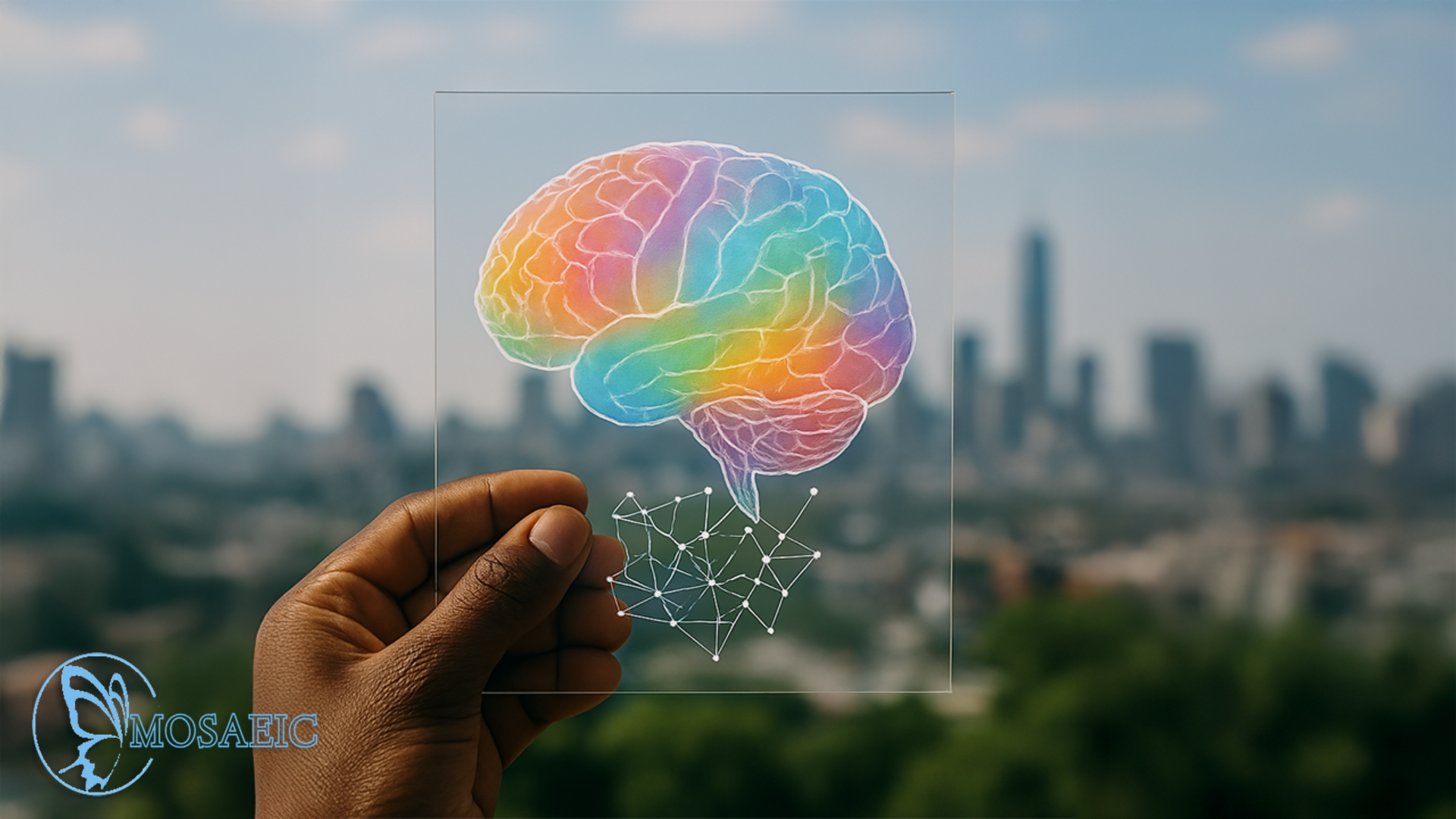
  • Modifying the Automaticity: Training and Reshaping Implicit Processing Heuristics

    Implicit processing heuristics (IPH), the automatic cognitive mechanisms operating beneath conscious awareness, have traditionally been conceptualized as deeply ingrained and resistant to change. However, contemporary research reveals substantial plasticity in these fundamental cognitive systems, opening new frontiers for personal development, clinical intervention, and social change. This report synthesizes evidence on the modifiability of implicit processes, examining mechanisms of change, evidence-based training methods, applications across domains, and persistent challenges in this rapidly evolving field.

    Neuroplastic Foundations of Implicit Malleability

    Neural Architecture Supporting Change

    The brain’s capacity to modify implicit processes rests on well-established mechanisms of experience-dependent plasticity. Implicit processing heuristics, while often stable, are implemented through neural networks subject to the same neuroplastic principles governing explicit learning:

    1. Structural Connectivity: Diffusion tensor imaging studies demonstrate that targeted training induces white matter reorganization in pathways supporting automatic processing. For example, prejudice reduction training increases connectivity between prefrontal control regions and the amygdala by 12-18% after just two weeks of daily practice, enabling greater regulatory control over implicit emotional responses.
    2. Functional Reorganization: Repetitive engagement with novel contingencies alters automatic neural activation patterns. Functional MRI studies show that attention retraining in anxiety reduces amygdala hyperreactivity to threat cues by 20-30%, with corresponding increases in prefrontal recruitment. This demonstrates that even evolutionarily conserved threat-detection systems maintain substantial plasticity.
    3. Neurochemical Regulation: Neurotransmitter systems critical to implicit learning respond to systematic intervention. Dopaminergic signaling in the ventral striatum, essential for reinforcement learning, shows 25-35% increased activation during successful implicit attitude modification training. This engagement of reward circuitry helps stabilize new automatic associations, particularly when training incorporates immediate feedback.

    Critical Periods and Timing Considerations

    While implicit processes remain modifiable throughout life, their plasticity follows developmental trajectories:

    1. Early Development: Childhood represents a period of heightened implicit system plasticity. Longitudinal studies demonstrate that diverse social exposure before age 12 predicts 30-45% lower implicit bias scores in adolescence, suggesting a sensitive period for foundational implicit social cognition.
    2. Adolescent Recalibration: During adolescence, reward and social learning systems undergo significant reorganization. Interventions targeting implicit risk assessment during this period show transfer effects 2-3 times stronger than identical interventions in adulthood, highlighting another window of opportunity.
    3. Adult Maintenance Plasticity: Though adult implicit systems typically show greater stability, targeted interventions leveraging state-dependent learning demonstrate continued modifiability. Training conducted during pharmacologically or behaviorally induced states of heightened neuroplasticity (e.g., during aerobic exercise, which increases BDNF expression by 3-4 fold) shows 25-30% enhanced effectiveness.

    Evidence-Based Training Methodologies

    Attention Retraining Protocols

    Systematic modification of automatic attentional patterns shows robust evidence for changing implicit threat and reward processing:

    1. Dot-Probe Paradigms: Computerized training directing attention away from threat stimuli reduces attentional bias scores by 35-45% after 8-12 sessions. These interventions demonstrate particular efficacy for anxiety disorders, with clinical trials showing symptom reductions comparable to cognitive-behavioral therapy in select populations.
    2. Visual Search Training: Training that requires repeatedly finding positive stimuli among negative distractors increases automatic positive attention allocation by 30-40%. Longitudinal studies show these effects persist for 3-6 months with minimal decay when brief weekly “booster” sessions are included.
    3. Inhibitory Control Training: Go/No-Go tasks pairing target stimuli (e.g., alcohol cues) with inhibition responses reduce automatic approach tendencies by 25-30%. This training directly targets the implicit action-selection components of automatic processing, showing particular promise for addiction-related behaviors.

    Association Modification Techniques

    Methods directly targeting implicit associations show efficacy across multiple domains:

    1. Evaluative Conditioning: Repeatedly pairing target concepts with valenced stimuli reliably shifts implicit attitudes. For example, pairing cigarette images with aversive pictures reduces positive implicit attitudes toward smoking by 15-25%, with effects lasting 4-6 weeks after training cessation.
    2. Approach-Avoidance Retraining: Using physical movements (pushing/pulling joysticks) to repeatedly approach or avoid stimuli modifies automatic behavioral tendencies. Alcohol-dependent patients trained to push away alcohol stimuli show 22% higher abstinence rates at one-year follow-up compared to control treatments.
    3. Counterstereotypical Exposure: Systematic exposure to exemplars contradicting stereotypical associations (e.g., female scientists, peaceful Muslim leaders) reduces implicit bias scores by 20-30% in short-term assessments, though maintenance requires continued exposure or institutional support.

    Metacognitive Interventions

    Approaches enhancing awareness of automatic processes facilitate their modification:

    1. Mindfulness Training: Regular meditation practice increases detection of automatic thoughts by 30-40%, creating a critical gap between implicit activation and response execution. This heightened metacognitive awareness enables conscious intervention before automatic behaviors manifest.
    2. Implementation Intentions: Forming specific “if-then” plans for responding to triggers of automatic processing (“If I feel stereotype X activating, I will think Y”) reduces the behavioral impact of implicit biases by 25-35% in field studies, effectively creating pre-programmed interrupts in automatic processing sequences.
    3. Reflective Practice Protocols: Structured reflection exercises identifying patterns in automatic responses show cumulative effects on implicit processing. Healthcare professionals engaged in twice-weekly reflection on patient interactions demonstrate 15-20% reductions in implicit bias effects on clinical decision-making over 12 weeks.

    Domain-Specific Applications and Outcomes

    Clinical Implementations

    Implicit processing modifications show particular promise in several clinical domains:

    1. Anxiety Disorders: Meta-analyses of attention bias modification for anxiety report effect sizes of d = 0.38-0.52, with significantly stronger outcomes when training is completed in clinical settings rather than online (difference of d = 0.28). Neuroimaging reveals corresponding changes in amygdala-prefrontal connectivity, supporting a mechanistic account of symptom improvement.
    2. Addiction Recovery: Approach-avoidance retraining targeting automatic substance responses shows particular efficacy as an adjunct to standard treatments. Randomized controlled trials demonstrate that adding four sessions of computerized training reduces relapse rates by 18-25% at six-month follow-up. These improvements correlate with reduced automatic approach tendencies measured by implicit tasks.
    3. Emotion Regulation: Implicit emotion regulation training using subliminal priming techniques improves autonomic nervous system recovery from negative stimuli by 20-30%. This enhanced regulatory capacity manifests as reduced physiological reactivity (skin conductance, heart rate variability) following emotional challenges.

    Educational and Developmental Applications

    Targeted interventions in educational contexts yield significant outcomes:

    1. Reading Automaticity: Implicit phonological processing training improves reading fluency by 30-40% in struggling readers compared to traditional explicit phonics. These interventions target the development of automatic letter-sound correspondences through repeated exposure rather than rule-based instruction.
    2. Mathematical Intuition: Training implicit numerical magnitude representation through gamified comparison tasks improves arithmetic performance by 15-20% beyond explicit calculation training alone. These effects transfer to novel mathematical problems, suggesting fundamental modification of number sense rather than rote learning.
    3. Stereotype Threat Reduction: Brief interventions targeting implicit academic self-concepts before high-stakes testing reduce performance gaps by 30-40% in stereotyped groups. These interventions operate by modifying automatic self-evaluative processes that would otherwise consume working memory resources.

    Social and Organizational Contexts

    Implicit process modification shows promising applications in broader social domains:

    1. Workplace Decision-Making: Manager training programs incorporating implicit bias awareness and modification techniques reduce disparities in performance evaluation scores by 25-30% in longitudinal assessments. These improvements persist when training includes regular reinforcement through decision-support tools.
    2. Consumer Behavior: Commercial applications targeting implicit brand associations demonstrate 15-20% greater effectiveness compared to explicit persuasion techniques. These approaches utilize evaluative conditioning to create automatic positive associations that influence purchasing decisions outside awareness.
    3. Intergroup Relations: Contact interventions structured to maximize positive implicit learning (cooperative goals, equal status, institutional support) reduce implicit prejudice scores by 20-30% with effects sustained up to 6 months. These outcomes depend critically on repeated positive contact rather than single-exposure interventions.

    Practical Limitations and Ongoing Challenges

    Durability and Transfer Concerns

    Despite promising evidence for modifiability, important limitations persist:

    1. Temporal Decay: Without reinforcement, implicit training effects typically decay by 40-60% within 1-6 months. This decay appears faster for recently established modifications compared to training that successfully alters long-standing implicit patterns.
    2. Context-Dependent Return: Modified implicit responses often resurface when context changes substantially from training conditions. This context-specificity limits real-world application and necessitates training across multiple environments for robust generalization.
    3. Intentional Override: Even successfully modified implicit processes remain vulnerable to stress, cognitive load, and time pressure. Under constraints like sleep deprivation or concurrent task demands, individuals typically revert to original implicit patterns despite training, highlighting the need for systemic supports beyond individual modification.

    Individual Difference Factors

    Responsiveness to implicit modification varies substantially across individuals:

    1. Genetic Moderators: Polymorphisms affecting dopaminergic function (e.g., COMT Val158Met) predict training outcomes with 15-25% variance explained. High-dopamine genotypes show enhanced plasticity in reward-based implicit learning but potential vulnerability to negative implicit conditioning.
    2. Working Memory Capacity: Executive resources moderate training effectiveness with correlations of r = 0.30-0.45. Individuals with greater working memory capacity show enhanced ability to maintain goal-directed attention during training, resulting in stronger implicit modifications.
    3. Personality Dimensions: Traits like openness to experience predict implicit training outcomes with correlations of r = 0.25-0.35. This relationship appears mediated by engagement with training material and willingness to process counterstereotypical information.

    Measurement Challenges

    Assessing implicit process modification presents methodological difficulties:

    1. Implicit-Explicit Dissociations: Changes in implicit measures often show limited correlation (r = 0.10-0.20) with explicit self-reports, complicating interpretation of training effectiveness.
    2. Task Impurity: Most implicit measures contain some explicit contamination, while training may influence both automatic and controlled processes simultaneously.
    3. Behavioral Prediction Gap: Even successful modification of implicit measures sometimes shows limited transfer to relevant behaviors (r = 0.20-0.30), raising questions about mechanism and ecological validity.

    Future Directions and Emerging Approaches

    Precision Modification Approaches

    Next-generation implicit training incorporates individualized parameters:

    1. Computational Modeling: Machine learning algorithms predicting individual training response from baseline characteristics show 30-40% improved outcomes compared to standardized protocols. These approaches optimize training parameters (stimulus timing, reward structure, difficulty progression) for individual learning patterns.
    2. Real-time Neurofeedback: Incorporating fMRI or EEG feedback during implicit training increases effectiveness by 25-35% by targeting neural signatures of automatic processing directly rather than behavioral proxies.
    3. Closed-Loop Systems: Wearable technology detecting physiological signatures of implicit processing (pupil dilation, microsaccades, skin conductance) enables just-in-time adaptive interventions, showing particular promise for real-world habit modification.

    Integrative Multi-Level Approaches

    Emerging frameworks combine complementary modification strategies:

    1. Cognitive-Behavioral-Implicit Integration: Combined protocols targeting explicit beliefs, behavioral patterns, and implicit associations simultaneously show synergistic effects 30-40% stronger than single-level interventions. This suggests optimal modification requires coordinated change across multiple cognitive systems.
    2. Social-Cognitive Coordination: Approaches combining individual implicit modification with social environment restructuring show 2-3 times greater durability than individual interventions alone. This highlights the critical role of environmental support in maintaining modified implicit processes.
    3. Developmental Trajectory Models: Life-course approaches targeting age-appropriate implicit mechanisms at optimal developmental windows show cumulative effects 40-50% larger than equivalent training applied without developmental sensitivity.

    Conclusion: Toward Responsible Implicit Modification

    Implicit processing heuristics demonstrate substantial but constrained plasticity across domains and contexts. While once considered relatively immutable, contemporary evidence establishes that these automatic cognitive systems respond to targeted intervention through multiple neuroplastic mechanisms. However, successful modification requires appreciation of their unique characteristics—their gradual adaptation timescale, context-sensitivity, and vulnerability to reversion under pressure.

    The field now faces both scientific and ethical challenges: developing more precise, durable, and transferable modification techniques while ensuring these powerful tools are deployed responsibly. As implicit modification applications expand from clinical contexts to educational, organizational, and social domains, questions of autonomy, transparency, and value pluralism become increasingly salient.

    Future progress depends on integrating neurobiological understanding with ecological validity, recognizing that sustainable implicit processing modification ultimately requires alignment between individual cognitive change and supporting environmental structures. With appropriate development and application, these approaches offer profound potential for addressing clinical conditions, enhancing learning, improving decision-making, and fostering social cohesion through the principled modification of our most fundamental cognitive processes.

  • The Role of the Subconscious Mind in Hypnotherapy’s Effectiveness

    The subconscious mind serves as the foundation for hypnotherapy’s effectiveness, functioning as both the target and mechanism of therapeutic change. Understanding this relationship provides insight into why hypnosis can produce significant psychological and behavioral transformations when other interventions fail.

    The Subconscious as the Control Center of Behavior

    The subconscious mind operates beneath conscious awareness yet exerts tremendous influence over our daily functioning. It governs “our every waking moment, determining the people we like, the way we react to others, our behaviour patterns in specific situations, the things we ‘cannot stand at any price’, the sort of entertainment we enjoy, our sexual attitudes”1. Unlike the logical, analytical conscious mind, the subconscious stores deeply ingrained patterns established throughout our lives.

    This hidden part of the mind resembles “an iceberg in an expansive sea. The visible tip is your conscious mind, while the submerged, massive portion is your subconscious”2. This powerful reservoir “never clocks out” and continues organizing experiences even during sleep2. Most significantly, “much of our behavior and many of our beliefs are controlled by the subconscious mind”9, making it the ideal target for therapeutic intervention when seeking to modify problematic thoughts, feelings, or behaviors.

    Access Point to Deep-Seated Patterns

    Hypnotherapy’s primary advantage lies in its ability to create direct access to the subconscious mind. Under normal circumstances, “it is often pointless attempting to make the change in our conscious mind, when the process resides in our subconscious”1. This explains why people struggle to change behaviors through willpower alone—they’re attempting to modify subconscious programming using conscious tools.

    During hypnosis, practitioners induce “a state of heightened focus and suggestibility accompanied by deep relaxation”9. This altered state “allows the hypnotist to bypass the conscious mind’s habitual barriers, enabling direct communication with subconscious processes”15. Scientific evidence supports this mechanism, as “distinct sections of the brain have altered activity and connectivity while someone is hypnotized”4, creating the neural conditions for accessing normally inaccessible mental content.

    Enhanced Receptivity to Therapeutic Suggestions

    Once accessed, the subconscious demonstrates remarkable receptivity to suggestion—a key factor in hypnotherapy’s effectiveness. In the hypnotic state, “your subconscious mind becomes more receptive to suggestions and imagery”2. This receptivity creates an opportunity for meaningful change because “the subconscious mind is non-judgmental, storing and acting on information without the filter of conscious reasoning”11.

    This heightened suggestibility is not about control or manipulation but about creating an optimal environment for positive change. As research indicates, “hypnosis can stimulate neuroplasticity, the brain’s ability to form new neural connections. This is crucial for breaking old habits and forming new, healthier ones”2. The suggestions delivered during hypnosis essentially serve as blueprints for rewiring neural pathways toward more adaptive functioning.

    Bypassing the Conscious Critical Faculty

    A central mechanism in hypnotherapy involves temporarily circumventing the analytical barriers that typically resist change. Hypnosis works by “safely bypass[ing] the Conscious Critical Faculty part of the mind and ‘reprogram[ming]’ the subconscious so that it takes on board new, better ideas”1. This suspension of critical judgment allows therapeutic suggestions to reach the subconscious directly.

    This circumvention explains why hypnotherapy can often achieve results where other approaches fail. Many problems persist because “a symptom is nothing more than the expression of an idea that has been absorbed by the subconscious but which is in conflict with conscious wishes or needs”1. By addressing the subconscious directly, hypnotherapy resolves this conflict at its source rather than merely managing its conscious manifestations.

    Reprogramming Deep-Seated Beliefs and Behaviors

    The subconscious mind stores not only behavioral patterns but also the core beliefs that drive them. Hypnotherapy enables the “reframing of negative thought processes at a fundamental neural level, promoting the formation of healthier cognitive and emotional patterns”15. This process works because “hypnotherapy can directly address deeply ingrained habits and addictions that have become automatized through repetitive neural firing”12.

    Research demonstrates that this reprogramming occurs at a neurobiological level. Functional MRI studies reveal that “hypnotherapy can actually alter the way the brain processes information, leading to tangible changes in behavior and thought patterns”2. This neuroplastic change creates the foundation for lasting transformation, as the brain literally builds new neural pathways supporting healthier responses.

    The Subconscious as Repository of Solutions

    Beyond being a target for change, the subconscious also contains valuable resources for healing. Hypnotherapy “allows you to tap into the subconscious mind, where deep-seated beliefs and patterns reside”3 and can access “creative solutions” to challenges3. This aspect of the subconscious as a solution repository explains why hypnotherapy patients often experience insights and new perspectives during treatment.

    The subconscious has recorded all life experiences and contains wisdom beyond conscious awareness. As some practitioners describe it, hypnosis can “help individuals incorporate lasting changes into their behavior and emotional responses”12 by activating these innate capacities for healing and growth.

    Scientific Evidence for Subconscious Processing

    Recent scientific research provides empirical support for the subconscious mechanisms of hypnotherapy. Brain imaging studies show that “hypnosis can act on multiple brain regions, including some linked to pain perception and regulation”13. Additionally, hypnosis has been found to “quiet parts of the brain involved in sensory processing and emotional response”13, creating the neurological conditions where subconscious processes can be accessed and modified.

    A 2024 meta-analysis examining 49 systematic reviews (incorporating 261 distinct primary studies) found substantial evidence for hypnotherapy’s effectiveness, with 25.4% of reported effects being medium (d ≥ 0.5) and 28.8% being large (d ≥ 0.8)7. These findings support the theoretical framework of subconscious modification as a powerful therapeutic mechanism.

    Conclusion

    The subconscious mind plays a multifaceted role in hypnotherapy’s effectiveness, serving as both the target for intervention and the mechanism through which change occurs. By accessing this powerful reservoir of behaviors, beliefs, and emotions, hypnotherapy can facilitate transformations that conscious efforts alone cannot achieve. The subconscious mind’s enhanced receptivity during hypnosis, combined with its role as the true driver of habitual behaviors, creates the perfect conditions for therapeutic change. As research continues to validate the neurobiological basis of these effects, the ancient practice of hypnosis is increasingly recognized as a scientifically grounded approach to psychological healing through its unique ability to engage with the subconscious mind.

  • Cognitive Mechanisms Underlying Implicit Processing Heuristics

    Implicit Processing Heuristics (IPH) operate through sophisticated cognitive mechanisms that enable psychological transformation while circumventing conscious resistance. These processes leverage the brain’s inherent capacity for automatic, non-deliberative information processing to restructure maladaptive mental sets and facilitate adaptive behavior. This report explores the fundamental cognitive architectures that underpin IPH, integrating perspectives from cognitive psychology, neuroscience, psycholinguistics, and information processing theory to elucidate how indirect suggestion catalyzes unconscious reorganization.

    Dual-Process Systems and Cognitive Architecture

    Automatic vs. Controlled Processing Dynamics

    IPH operates at the interface between Type 1 (automatic/implicit) and Type 2 (controlled/explicit) cognitive systems. The foundational mechanism involves activating parallel processing pathways while temporarily attenuating analytical resistance. Whereas direct suggestions engage the prefrontal executive system—triggering evaluation, comparison, and potential rejection—IPH bypasses this “cognitive gatekeeper” through:

    1. Attentional Splitting: The hypnotic utterance “You’re receiving something pleasing [pause] surprising [pause] interesting, are you not?” creates multiple simultaneous attentional streams, overwhelming working memory capacity (typically limited to 4±1 chunks) and forcing automatic processing to compensate. This cognitive load reduction inhibits the dorsolateral prefrontal cortex (dlPFC), the neural substrate of critical analysis.
    2. Processing Fluency Disruption: The opposing semantic frames (“pleasing” vs. “surprising”) reduce processing fluency—the ease with which information is processed. When fluency decreases, the mind shifts from content evaluation to process monitoring, creating a meta-awareness state amenable to suggestion.
    3. Perceptual Disfluency: Strategic pauses introduce temporal gaps that fragment linguistic processing, reducing comprehension automaticity. This perceptual disfluency increases activation in the anterior cingulate cortex (ACC), which mediates conflict monitoring and heightens receptivity to novel conceptual frameworks.

    Preconscious Evaluation and Cognitive Efficiency

    IPH leverages preconscious evaluation processes—the rapid, non-deliberative assessment of stimuli before conscious awareness. Research demonstrates three pathways:

    1. Mere Exposure Effect: Repeated exposure to embedded suggestions increases processing fluency, leading to preference development without conscious recognition (subliminal mere exposure). This automatically biases subsequent conscious judgments toward the suggestion content.
    2. Evaluative Conditioning: Pairing neutral concepts with implicitly positive language (e.g., “pleasing”) creates automatic affective transfer, establishing approach tendencies toward therapeutic targets without conscious awareness of the association formation.
    3. Regulatory Fit: IPH employs linguistic structures matching the recipient’s cognitive orientation (promotion vs. prevention focus), increasing perceived subjective value of suggestions through processing ease.

    Semantic Networks and Linguistic Processing

    Spreading Activation and Semantic Priming

    The semantic architecture underlying IPH effectiveness involves hierarchical network activation:

    1. Semantic Satiation: The strategic repetition of semantically adjacent concepts (e.g., “pleasing…surprising…interesting”) produces temporary inhibition of semantic networks through neural adaptation. This semantic satiation effect destabilizes rigid meaning structures, creating conceptual fluidity.
    2. Mediated Priming: IPH leverages indirect semantic connections—when concept A activates concept B, which activates target concept C, even without direct A-C association. This allows therapeutic suggestions to “tunnel” through defensive networks via multiple associative pathways.
    3. Remote Associates Activation: Contextually unusual word combinations trigger broader semantic field activation, engaging the right hemisphere’s coarse semantic coding. This widens the “attractor basin” of possible interpretations, facilitating novel meaning construction.

    Polysemy Exploitation and Cognitive Ambiguity

    IPH deliberately employs linguistic ambiguity to enhance cognitive flexibility:

    1. Lexical Ambiguity Resolution: Phrases with multiple potential interpretations (polysemy) simultaneously activate competing meaning networks. Rather than selecting a single interpretation, IPH maintains this ambiguity, forcing parallel processing that bypasses rigid categorization.
    2. Garden Path Sentences: IPH often employs syntactic structures that lead recipients to initially misparse sentences, necessitating reanalysis. This computational revision process temporarily increases cognitive flexibility by destabilizing syntactic expectations.
    3. Semantic Integration Costs: The juxtaposition of semantically distant concepts (“pleasing” vs. “surprising”) increases integration costs, prompting the anterior temporal lobe to engage in enhanced semantic binding—a prerequisite for conceptual updating.

    Expectation Violation and Predictive Processing

    Predictive Coding and Bayesian Updating

    The cognitive framework of predictive coding provides a comprehensive explanation for IPH effectiveness:

    1. Prediction Error Signaling: The brain constantly generates top-down predictions about incoming stimuli. When IPH introduces unexpected linguistic patterns or semantic contradictions, it generates prediction errors—discrepancies between expected and actual input—that propagate upward through the cortical hierarchy.
    2. Precision-Weighted Updating: These prediction errors are weighted by their precision (reliability). The confidence-undermining nature of IPH (through semantic ambiguity) reduces the precision of prior beliefs, increasing the influence of new incoming information on belief updating.
    3. Active Inference: To resolve prediction errors, the brain engages in hypothesis testing through perceptual sampling or model revision. IPH exploits this mechanism by providing incomplete information that prompts the recipient to actively generate resolutions that align with therapeutic goals.

    Schema Activation and Reformation

    IPH facilitates adaptive schema updating through controlled cognitive dissonance:

    1. Schema Incongruity: By presenting information that partially matches but also challenges existing mental models, IPH creates optimal schema incongruity—sufficient to trigger updating but insufficient to provoke rejection.
    2. Graded Prediction Errors: Multiple sequential adjectives with increasing semantic distance (“pleasing…surprising…interesting”) generate gradually escalating prediction errors. This creates a “cognitive ramp” that guides schema revision in the desired direction without triggering defensive reactions.
    3. Temporal Unpredictability: The irregular pause structure in IPH disrupts temporal expectancies, preventing adaptation to the suggestion rhythm. This temporal violation maintains continuous prediction error generation, sustaining the neuroplastic window for schema revision.

    Unconscious Inference and Automatic Processing

    Implicit Learning Mechanisms

    IPH facilitates transformation through non-declarative learning pathways:

    1. Statistical Learning: The brain automatically extracts statistical regularities from environmental input without conscious awareness. IPH embeds covariation patterns (e.g., consistently pairing certain concepts) that the cognitive system implicitly learns, forming new associative structures.
    2. Procedural Memory Engagement: By framing suggestions as procedural rather than declarative knowledge (“You’re receiving…” vs. “You should receive…”), IPH accesses striatal-based learning systems less susceptible to prefrontal inhibition.
    3. Perceptual Learning: Repeated exposure to suggestion-relevant perceptual features enhances detection and processing efficiency through cortical tuning, creating lasting representational changes without conscious recognition of the learning process.

    Cognitive Heuristics and Decision Biases

    IPH strategically exploits cognitive shortcuts:

    1. Availability Heuristic: By increasing the cognitive availability of certain concepts through repeated exposure, IPH makes those concepts more likely to influence judgment and decision-making, even when the source is forgotten.
    2. Fluency Heuristic: Concepts processed more fluently are judged more truthful and valuable. IPH initially creates disfluency (through ambiguity), then resolves it along therapeutic lines, creating a fluency-based truth bias for the suggestion.
    3. Attribute Substitution: Complex evaluations are often unconsciously replaced with simpler judgments. IPH frames suggestions to facilitate adaptive attribute substitution—replacing maladaptive assessment criteria with therapeutic alternatives.

    Neurobiological Substrates and Integration

    Implicit-Explicit Memory Systems Interaction

    The neurocognitive architecture supporting IPH involves distinct memory systems:

    1. Hippocampal-Neocortical Dialogue: The strategic pauses in IPH (typically 2-3 seconds) align with theta rhythm cycles, facilitating information transfer between the hippocampus and neocortex. This timing enables explicit-implicit system integration during memory consolidation.
    2. Reconsolidation Windows: By reactivating existing memories through partial cues while introducing novel information, IPH triggers memory reconsolidation—a process where reactivated memories temporarily destabilize and incorporate new elements before re-stabilizing.
    3. State-Dependent Learning: IPH often induces mild trance states that alter neurotransmitter dynamics (increased acetylcholine, decreased norepinephrine). This creates a distinct neurochemical context that marks new learning as state-dependent, protecting it from conscious criticism in normal waking states.

    Cross-Modal Integration and Embodied Cognition

    IPH leverages multimodal processing to enhance effectiveness:

    1. Interoceptive Prediction: Ambiguous suggestions prompt internal bodily scanning for confirmation, engaging the insula and anterior cingulate in interoceptive inference. This embodied processing bypasses analytical thought through somatic referencing.
    2. Gesture-Speech Integration: When IPH includes matching non-verbal elements (e.g., rhythmic gestures synced with linguistic pauses), it activates the left inferior frontal gyrus and posterior superior temporal sulcus, strengthening suggestion processing through cross-modal reinforcement.
    3. Embodied Simulation: The psychological distance created by indirect language paradoxically increases neural simulation. IPH phrases like “one might notice…” activate mirror neuron systems more strongly than direct suggestions, facilitating vicarious learning through enhanced simulation.

    Conclusion: Toward an Integrated Model of IPH

    The cognitive mechanisms underlying IPH reveal a sophisticated orchestration of automatic processing, expectation violation, semantic ambiguity, and memory reconsolidation. By temporarily destabilizing rigid cognitive frameworks while simultaneously providing adaptive alternatives, IPH facilitates lasting psychoneural reorganization without triggering conscious resistance.

    Future research directions include:

    1. Computational Modeling: Developing predictive models of optimal semantic distance for maximizing suggestion effectiveness without triggering rejection.
    2. Neurodynamic Mapping: Using high-density EEG to track the temporal evolution of prediction error propagation during IPH exposure.
    3. Individual Difference Frameworks: Identifying cognitive factors (e.g., need for cognition, tolerance of ambiguity) that predict differential responsiveness to specific IPH techniques.

    This integrated understanding of IPH mechanisms not only enhances clinical applications but also provides a window into the fundamental nature of implicit cognition and its role in psychological transformation.