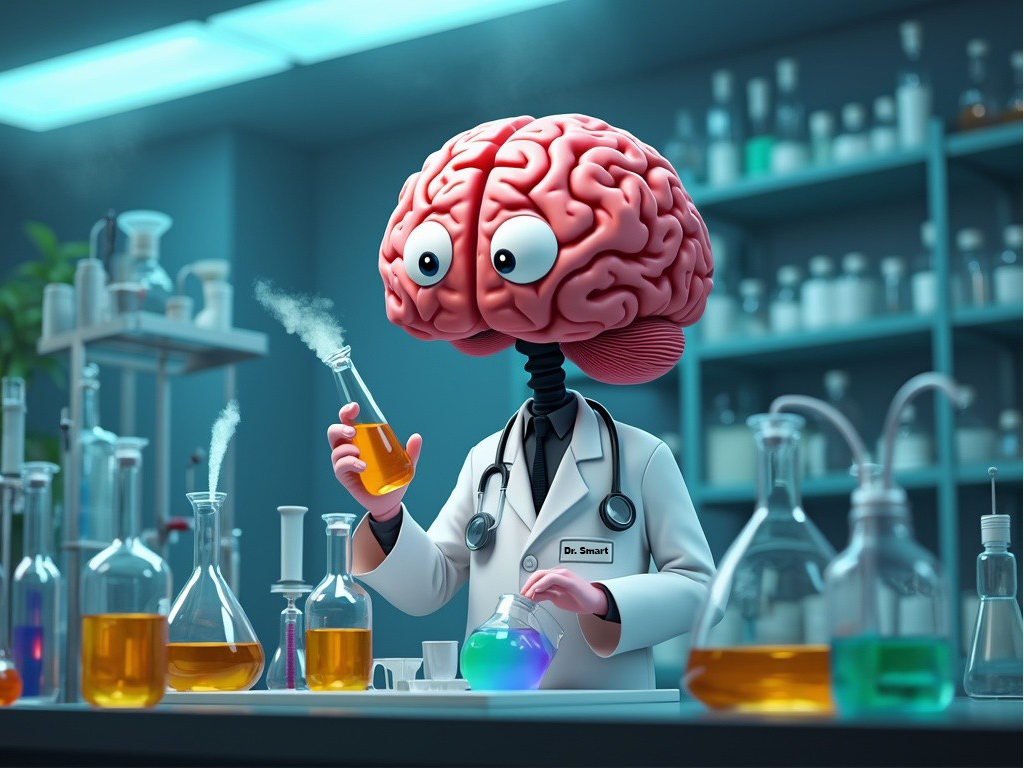
There’s something I gotta tell you about why I picked this model for hypnosis. We’ve had everything from “you’re getting verrrrry sleepy” state-based models to “let’s decode the social matrix of suggestion” socio-cognitive approaches.
But I chose 𝗦𝗶𝗺𝘂𝗹𝗮𝘁𝗶𝗼𝗻 𝗔𝗱𝗮𝗽𝘁𝗮𝘁𝗶𝗼𝗻 𝗧𝗵𝗲𝗼𝗿𝘆 𝗼𝗳 𝗛𝘆𝗽𝗻𝗼𝘀𝗶𝘀 (𝗦𝗔𝗧𝗛) because it does something special — it stands on solid science while keeping your subjective experience, capacity for transformation, and natural curiosity right at the center of the process. Think of it as your brain’s natural way of growing and learning, just turned up to 11. Let me show you how this works…
Buckle up!
Let’s break this down.
At its core, SATH stands on the shoulders of the 𝗣𝗿𝗲𝗱𝗶𝗰𝘁𝗶𝘃𝗲 𝗖𝗼𝗱𝗶𝗻𝗴 𝗙𝗿𝗮𝗺𝗲𝘄𝗼𝗿𝗸 (𝗣𝗖𝗙) — a game-changing idea that flips the way we think about the brain. The brain isn’t some passive sponge soaking up external info. Nope. It’s more like a scientist, constantly modeling the world, wrestling with uncertainties, and making sense of the chaos around us. 🧠✨
Here’s the cool part: PCF says your brain uses Bayesian-style modeling (fancy term, but stick with me). It boils down to three key ingredients:
1️⃣ 𝗣𝗿𝗶𝗼𝗿𝘀 — Your brain’s expectations (aka guesses) about what’s coming.
2️⃣ 𝗘𝘃𝗶𝗱𝗲𝗻𝗰𝗲 — The actual data coming in from the world around you.
3️⃣ 𝗣𝗼𝘀𝘁𝗲𝗿𝗶𝗼𝗿𝘀 — Updated guesses after comparing your expectations with reality.
Think of it like a feedback loop:
🔮 𝗣𝗿𝗲𝗱𝗶𝗰𝘁𝗶𝗼𝗻𝘀 (a.k.a. top-down signals) come from your brain’s internal models.
📡 These interact with sensory input (sight, sound, touch, etc.).
⚡️ When there’s a mismatch between what your brain expects and what it experiences, you get prediction errors — essentially, your brain’s “Oops, didn’t see that coming!” moments.
Prediction errors are your brain’s “breaking news alerts.” 📢 They do two things: In the short term, they force your brain to adapt to surprises. In the long term, they drive learning by helping your brain make better predictions. 🧠💡
𝗧𝘄𝗼 𝗕𝗶𝗴 𝗜𝗱𝗲𝗮𝘀 𝗧𝗵𝗮𝘁 𝗠𝗮𝗸𝗲 𝗣𝗖𝗙 𝗧𝗶𝗰𝗸
(𝗔) 𝗛𝗶𝗲𝗿𝗮𝗿𝗰𝗵𝗶𝗰𝗮𝗹 𝗢𝗿𝗴𝗮𝗻𝗶𝘇𝗮𝘁𝗶𝗼𝗻
Your brain works like a multi-level power structure. Each neural layer:
🔽 Sends predictions downward.
🔼 Sends prediction errors upward.
High-level predictions? Think big picture stuff — like “I expect this coffee shop to be friendly” ☕️ or “This meeting will probably be boring” 😴. These are your brain’s general expectations about situations.
Low-level predictions? These are the nitty-gritty details — like predicting exactly how hot your coffee will feel, or what the next word in a sentence will be. Your brain constantly updates these based on what your senses tell you.
It’s like a dance between your big-picture expectations and moment-to-moment experiences. 💃
(𝗕) 𝗣𝗿𝗲𝗰𝗶𝘀𝗶𝗼𝗻 𝗪𝗲𝗶𝗴𝗵𝘁𝗶𝗻𝗴
Not every prediction holds equal weight. Your brain assigns “precision” (aka importance) to predictions and errors. The more newsworthy the error, the more attention your brain gives it. If it’s irrelevant? Your brain hits the mute button. 🔇
𝗪𝗵𝗮𝘁 𝗧𝗵𝗶𝘀 𝗠𝗲𝗮𝗻𝘀 𝗳𝗼𝗿 𝗬𝗼𝘂
Your brain’s job is to figure out what’s happening in the world — even though it doesn’t have direct access to reality. Instead, it relies on signals, like changes in light or sound, decoded through internal states.
Sensory input is overwhelming. 🌊 Your brain can’t analyze everything 24/7. So, it takes a shortcut:
1️⃣ Predict the next state.
2️⃣ Flag only the surprises.
This isn’t just some biology geek-speak. It’s the same principle engineers used back in the day to compress sound files efficiently (shoutout to Elias, 1955). Your brain’s all about efficiency — packing sensory info into neat, compressed codes to make sense of the world. 🎶💾
Your brain is a prediction machine, constantly running experiments, updating its models, and learning from surprises. It’s a genius system that’s all about efficiency, precision, and staying ahead of the game. 🔥
Do you see how much more powerful SATH is than ‘drift off into the land of Nod?’ This isn’t your grandmother’s hypnosis — it’s neuroscience in action. 🧠✨
Leave a Reply